
Englewood Plumbing Pros
Backflow Testing & Plumbing Compliance for CO Businesses
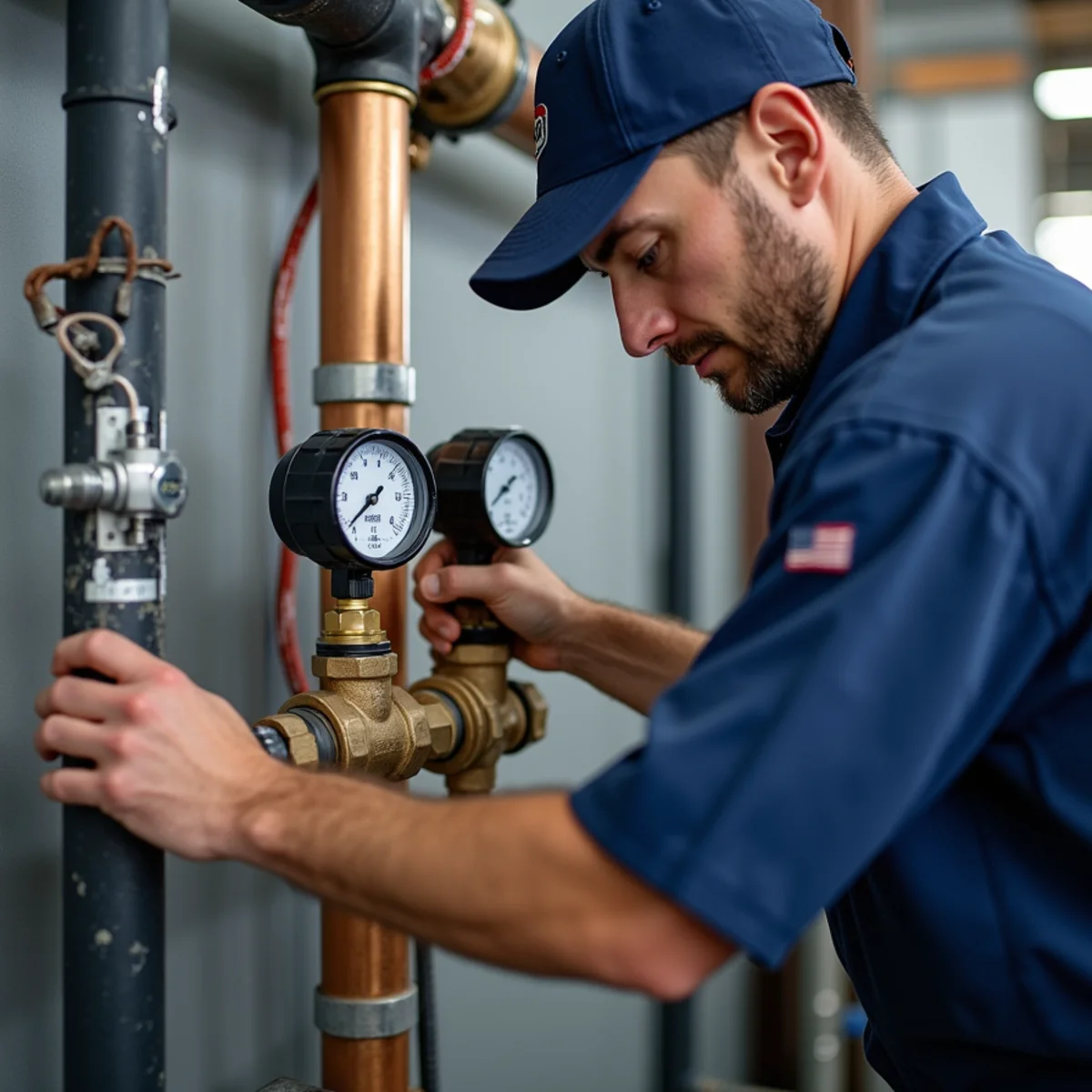
If you own or manage a commercial property in Colorado, backflow testing is one of those compliance items that is easy to overlook until a notice arrives or an inspection flags it. Most businesses with an irrigation system, a boiler, a fire suppression system, or certain equipment are required to have backflow preventers, and those devices must be tested regularly by a certified tester. It is not paperwork for its own sake. Backflow prevention protects the drinking water everyone in the community relies on.
This guide is for business owners and property managers in Commerce City and across the Front Range who want to understand what backflow testing is, why it is required, and how to stay compliant without the last-minute scramble. Getting ahead of it keeps your operation running and avoids fines or a water shutoff.
What backflow is and why it matters
Water in a public system is meant to flow one direction, from the main into your building. Backflow is when that flow reverses and potentially contaminated water is pulled or pushed back into the clean supply. It happens when pressure changes, for example when a water main breaks, a fire hydrant is opened, or a pump creates suction.
The danger is what can get pulled back in. Irrigation systems, boilers, industrial processes, and other equipment can introduce fertilizer, chemicals, bacteria, or other contaminants into the drinking water if backflow occurs. A backflow preventer is a mechanical assembly installed on the water line that stops this reversal, protecting both your building's occupants and the wider public supply.
Why Colorado requires testing
Backflow preventers are mechanical devices with internal seals, springs, and check valves, and those parts wear out, stick, or fail over time. A preventer that has failed offers no protection, and there is no way to know it has failed just by looking at it. That is why testing exists.
Colorado water providers, under state and federal drinking water regulations, generally require that backflow preventers on commercial and irrigation connections be tested by a certified tester, typically once a year. Your local water provider administers the program and sends notices, tracks compliance, and sets deadlines. Requirements vary by jurisdiction, so the specifics depend on your water provider, but annual testing is the common standard.
Which businesses need backflow testing
Not sure whether it applies to you? These are the common situations that require a backflow preventer and testing. When in doubt, your water provider can confirm what is required for your connection.
- Commercial buildings with in-ground irrigation or sprinkler systems
- Properties with fire suppression and sprinkler systems
- Restaurants and food service operations
- Buildings with boilers or commercial water heating
- Medical, dental, and laboratory facilities
- Car washes, salons, and businesses using chemicals in water processes
- Manufacturing and industrial facilities
- Multi-family and mixed-use properties, depending on their systems
What happens during a test
A backflow test is a straightforward procedure performed by a certified tester using calibrated gauges. It confirms that the check valves and relief components hold pressure and function correctly, which proves the assembly will actually stop backflow when it needs to.
- 1
Notify affected occupants
The water to the tested line is briefly shut off during the test, so the tester coordinates timing to minimize disruption to your operation.
- 2
Connect test equipment
The tester attaches calibrated gauges to the test ports on the backflow assembly.
- 3
Check the valves and relief
The tester measures whether the check valves hold and the relief valve opens at the correct pressure, verifying each component works.
- 4
Record and repair if needed
If the assembly passes, the results are documented. If it fails, worn parts are repaired or the assembly is rebuilt or replaced, then retested.
- 5
File the report
The passing test report is submitted to your water provider to satisfy the compliance requirement.
The cost of ignoring it
Skipping backflow testing is a risk that grows quietly. Water providers track which connections are due, and missing a deadline typically brings escalating consequences. Depending on the jurisdiction, that can mean fines, penalties, and in some cases termination of water service until you come into compliance. For a business, a water shutoff is not a minor inconvenience; it can stop operations entirely.
There is also the liability side. If a backflow event contaminated the water supply and traced back to an untested, failed preventer on your property, the exposure is serious. Annual testing is far cheaper than any of those outcomes, and it is a routine, predictable expense once you have it on a schedule.
Backflow testing as part of broader compliance
For most commercial properties, backflow testing is one piece of a larger plumbing compliance and maintenance picture. Businesses often have gas lines feeding boilers, kitchens, and heating equipment that require professional installation, permitting, and periodic attention, along with grease interceptors, water heaters, and other systems that carry their own upkeep and code requirements.
Handling these together with a plumber who knows commercial work keeps you ahead of problems instead of reacting to them. A single provider tracking your backflow schedule, gas line service, and general plumbing maintenance means fewer surprises and one point of contact when something needs attention. Keeping records of testing and service also makes inspections and any due-diligence review much smoother.
When to call an Englewood plumber
If you have received a testing notice, are not sure whether your backflow preventer is due, or are opening or renovating a commercial space that needs one, get a certified tester involved before the deadline. A plumber can test the assembly, repair or replace a failed one, file the report with your water provider, and put you on a schedule so it never sneaks up on you again. The same goes for commercial gas line work and the rest of your building's plumbing.
Englewood Plumbing Pros provides commercial plumbing services, including backflow testing and gas line work, for businesses in Commerce City and across the Front Range. To stay compliant and keep your operation running, call us at (831) 290-4327.
Frequently Asked Questions
Most Colorado water providers require backflow preventers on commercial and irrigation connections to be tested by a certified tester once a year. Your local water provider administers the program and sets the exact deadlines, so requirements can vary by jurisdiction.