
Englewood Plumbing Pros
Hard Water in the Denver Metro: What It Does to Your Plumbing
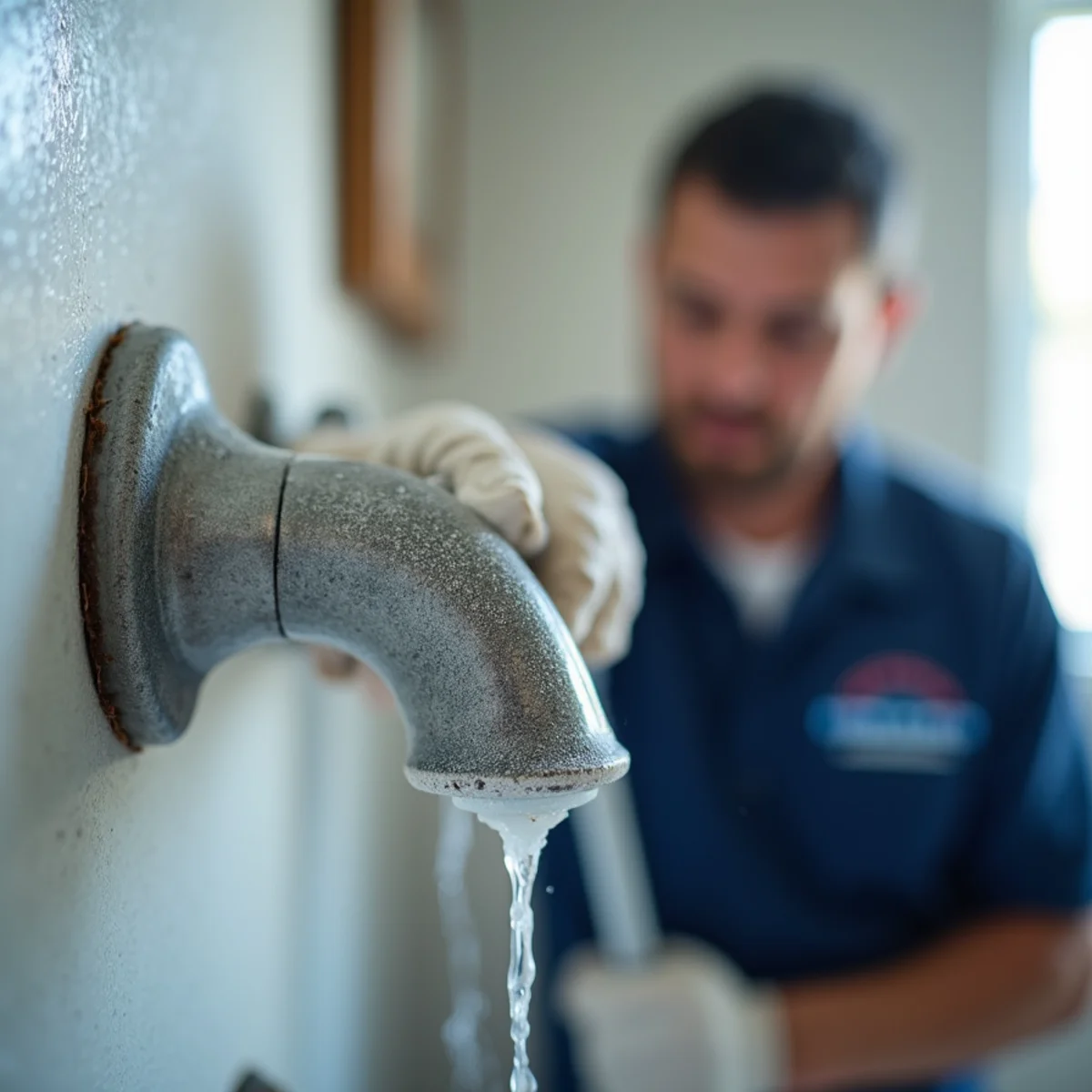
If you live in the Denver metro, from Englewood to Highlands Ranch, you have hard water. It is not a defect in your home; it is a fact of our geology. As water moves through the rock and soil of the Rocky Mountain watershed, it picks up dissolved minerals, mainly calcium and magnesium. Those minerals are harmless to drink, but they are hard on plumbing.
Hard water does its damage slowly and quietly. You may not notice anything for years, and then a water heater fails early or the water pressure in a shower drops for no obvious reason. Understanding what hard water does helps you spot the signs and decide whether treatment is worth it for your home.
What "hard water" actually means
Water hardness is a measure of dissolved calcium and magnesium, usually reported in grains per gallon or milligrams per liter. Anything above about 7 grains per gallon is considered hard, and much of the Denver metro sits well into the moderately hard to hard range depending on your source and neighborhood.
When hard water is heated or left to sit and evaporate, those minerals come out of solution and form a chalky white deposit called scale. That scale is the culprit behind most of the problems homeowners blame on old plumbing.
The signs you are living with hard water
Hard water leaves clues all over the house once you know what to look for.
- White, crusty buildup on faucets, showerheads, and around drains
- Spots and film on glasses, dishes, and shower doors
- Soap and shampoo that will not lather well
- Dry, itchy skin and dull, filmy hair after showering
- Stiff, dingy laundry that wears out faster
- Reduced water flow from fixtures as mineral deposits narrow the openings
- A water heater that rumbles, pops, or runs out of hot water sooner than it used to
How scale wears down your water heater
Your water heater takes the worst of it. Every time the tank heats water, minerals precipitate out and settle to the bottom as sediment and scale. Over time that layer insulates the water from the burner or element, so the heater works harder and longer to do the same job. You pay for that in higher energy bills and, eventually, in a shorter tank life.
On a gas tank, sediment on the bottom causes the popping and rumbling many homeowners hear. On an electric tank, scale coats the heating elements and burns them out. Either way, hard water can shave years off a water heater's service life. Tankless units are not immune; they need periodic descaling to keep the heat exchanger clear, or their flow and efficiency drop.
The slow damage to pipes and fixtures
Scale does not just affect appliances. Inside pipes, mineral deposits gradually build up on the walls, narrowing the interior diameter. In older galvanized lines, which are already prone to corrosion, this buildup can noticeably cut water pressure over the years. Faucet aerators and showerhead nozzles clog with mineral crust and need regular cleaning or replacement.
Valves, cartridges, and the small internal parts of faucets and toilets also wear faster with hard water grinding through them. If you find yourself replacing fixtures and cartridges more often than seems reasonable, hard water is often part of the reason.
What you can do about it
You have options ranging from simple maintenance to whole-home treatment. The right choice depends on how hard your water is and how much the problems bother you.
- 1
Flush your water heater yearly
Draining a few gallons from the tank once a year clears out sediment before it builds into a thick insulating layer. It is the single most valuable maintenance habit in a hard-water area.
- 2
Descale a tankless heater on schedule
Have a tankless unit flushed with a descaling solution about once a year, or more often with very hard water, to keep the heat exchanger clear.
- 3
Clean aerators and showerheads
Soak clogged faucet aerators and showerheads in vinegar to dissolve mineral crust and restore flow.
- 4
Consider a water softener
A whole-home softener removes calcium and magnesium before they reach your plumbing. It is the most effective long-term fix and can extend the life of your water heater, appliances, and fixtures.
- 5
Look at point-of-use options
If a full softener is not in the budget, a filter or conditioner on a specific line can help protect a key appliance.
Is a water softener worth it?
For many Denver metro homes, a softener pays off over time by protecting expensive equipment and reducing repair calls. Soft water also means less soap, cleaner dishes and laundry, and easier skin and hair for a lot of people. The tradeoffs are the up-front cost, ongoing salt, and slightly more water use during regeneration.
A softener is worth sizing correctly to your household and your actual water hardness. An oversized or undersized unit wastes salt or fails to keep up. If you are considering one, it is worth having a plumber test your water and recommend the right capacity rather than guessing.
When to call an Englewood plumber
If your water heater is rumbling, your pressure has dropped, or you are tired of scrubbing scale off every fixture, hard water is likely at the root of it. A plumber can flush and service your water heater, clear scaled-up lines or recommend repiping where old galvanized pipe has narrowed, and help you choose and install the right water treatment for your home in Englewood, Highlands Ranch, or anywhere in the metro.
Englewood Plumbing Pros handles water heater service, repiping, and hard-water problems across the Denver metro. To get ahead of the scale before it costs you an appliance, call us at (831) 290-4327.
Frequently Asked Questions
Much of the Denver metro has moderately hard to hard water, driven by dissolved calcium and magnesium picked up from the Rocky Mountain watershed. Exact hardness varies by neighborhood and source, so testing your specific water is the best way to know where you stand.