
Englewood Plumbing Pros
Plumbing in Englewood's Older Bungalows: What to Watch For
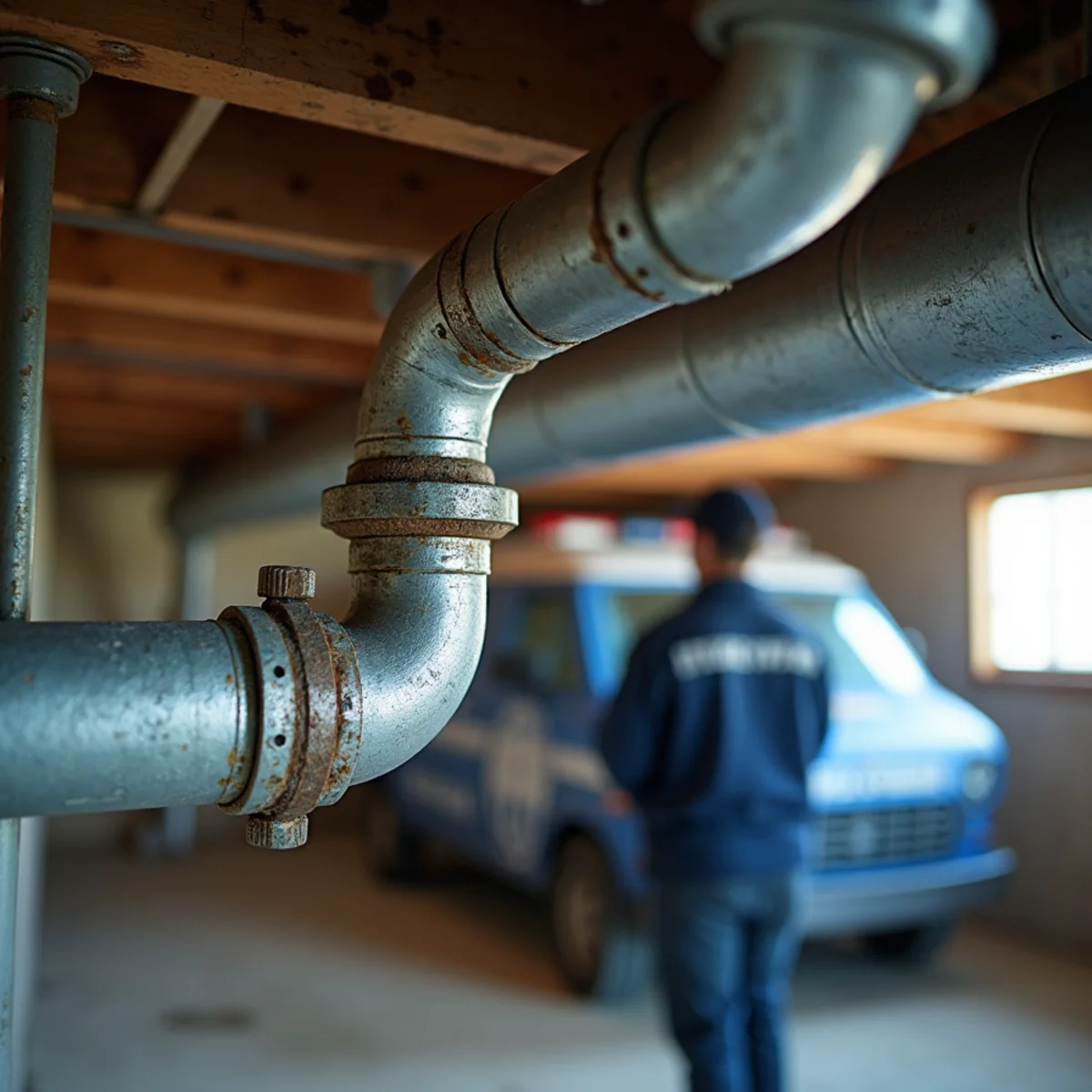
Englewood is full of charming older bungalows and cottages, many built in the early to mid twentieth century. They have solid bones, real character, and neighborhoods people love. What they do not have is plumbing designed for the way we live today. The original pipes in these homes have been carrying water and waste for many decades, and materials that were standard back then are now known to fail.
If you own or are buying an older home in Englewood, or nearby in Denver, knowing what lurks behind the walls helps you plan ahead instead of reacting to a surprise leak. None of this means the house is a lemon. It means the plumbing deserves a clear-eyed look.
Galvanized steel supply pipes
The most common issue in older Front Range homes is galvanized steel water pipe. It was the standard for decades, but it corrodes from the inside out. Over the years, rust and mineral scale build up on the interior walls, narrowing the passage until water flow drops noticeably. Denver metro hard water accelerates this by adding scale to the corrosion.
The telltale signs are low water pressure that has gotten worse over time, water that runs rusty or discolored after sitting, and pinhole leaks that start appearing as the pipe walls thin. Once galvanized pipe is failing in one spot, the rest is usually not far behind, which is why partial patches often lead to more calls. For many older Englewood bungalows, repiping with modern copper or PEX is the lasting fix.
Old drain and sewer materials
The drain side has its own aging cast of characters. Inside the house, cast-iron drain and waste pipe corrodes and roughens with age, catching debris and eventually developing cracks or holes. Outside, the sewer lateral to the street may be original vitrified clay tile, which comes in short jointed sections that shift, crack, and let in tree roots, especially in our expansive clay soil.
Recurring drain clogs, gurgling, and sewage odors in an older home are worth investigating rather than repeatedly snaking. A sewer camera inspection shows the real condition of the line and whether you are dealing with a one-time root intrusion or a pipe that is reaching the end of its life.
Fixtures, valves, and shutoffs
The small stuff matters too. In older homes, shutoff valves under sinks and toilets, and the main shutoff, may be decades old and seized or prone to leaking the moment you turn them. That becomes a real problem during an emergency, when you need to shut water off fast and the valve will not budge.
Original faucets, toilets, and supply lines are also long past their prime and far less water-efficient than modern fixtures. Rubber and braided supply lines dry out, crack, and fail. It is worth knowing where your main shutoff is, confirming that it works, and replacing brittle supply lines before one lets go behind a wall or under a sink.
Hidden leaks and the damage they cause
The most expensive problems in an older home are the ones you cannot see. A slow leak inside a wall, under the slab, or in a crawlspace can run for months, rotting framing, ruining insulation, and feeding mold before anyone notices. Older pipe materials and aging joints make these hidden leaks more likely.
- A water bill that climbs with no change in your habits
- The sound of running water when everything is shut off
- Warm spots on a floor, which can point to a hot-water slab leak
- Musty smells, stains, or bubbling paint on walls and ceilings
- A water meter that keeps moving when no water is being used
- Unexplained damp spots in the basement or crawlspace
Past DIY work and code changes
Homes that have stood for many decades have usually been worked on many times, and not always by professionals. It is common to find a patchwork of pipe materials joined together, improper connections, drains without proper venting, or fixtures added without permits. Some of these compromises work fine for years; others quietly cause slow drains, sewer gas smells, or leaks.
Plumbing codes have also changed a lot since these homes were built, for good reasons around safety and sanitation. When you renovate or replace a major system, that work generally needs to meet current code. A plumber familiar with older Englewood homes can tell you what is a genuine problem and what is simply old but sound.
How to approach an older home's plumbing
You do not have to fix everything at once. The smart approach is to understand what you have, address safety and active problems first, and plan larger upgrades over time.
- 1
Get a plumbing inspection
Have a plumber assess the supply pipes, drains, sewer line, water heater, and shutoffs so you know the real condition of each system, especially before buying.
- 2
Fix active leaks and safety issues first
Address anything actively leaking, any failing shutoff, and any gas concern right away. These are the items that cause damage or danger.
- 3
Plan for repiping if galvanized is failing
If corroded galvanized supply pipe is behind your pressure and rust problems, budget for repiping rather than chasing pinhole leaks one at a time.
- 4
Camera the sewer line
Get a camera inspection of the sewer lateral so you know whether it is sound, needs cleaning, or is due for repair.
- 5
Upgrade fixtures over time
Replace aging faucets, toilets, and supply lines as budget allows to improve efficiency and reduce failure risk.
When to call an Englewood plumber
If you own an older bungalow and are seeing low pressure, rusty water, recurring clogs, or a water bill that does not add up, a professional assessment turns uncertainty into a plan. A plumber can pinpoint hidden leaks with proper leak detection, evaluate whether your galvanized lines need repiping, and prioritize the work so you spend money where it counts, in Englewood, Denver, and the surrounding area.
Englewood Plumbing Pros specializes in the older homes across our neighborhoods, from leak detection to full repipes. To understand what your bungalow's plumbing really needs, call us at (831) 290-4327.
Frequently Asked Questions
Galvanized steel water pipe typically lasts several decades, but many older Englewood homes are now well past that. It corrodes from the inside, causing low pressure, rusty water, and pinhole leaks. Once it starts failing in one area, repiping is usually more cost-effective than repeated patches.