
Englewood Plumbing Pros
Why Englewood's Freeze-Thaw Cycles Burst Pipes
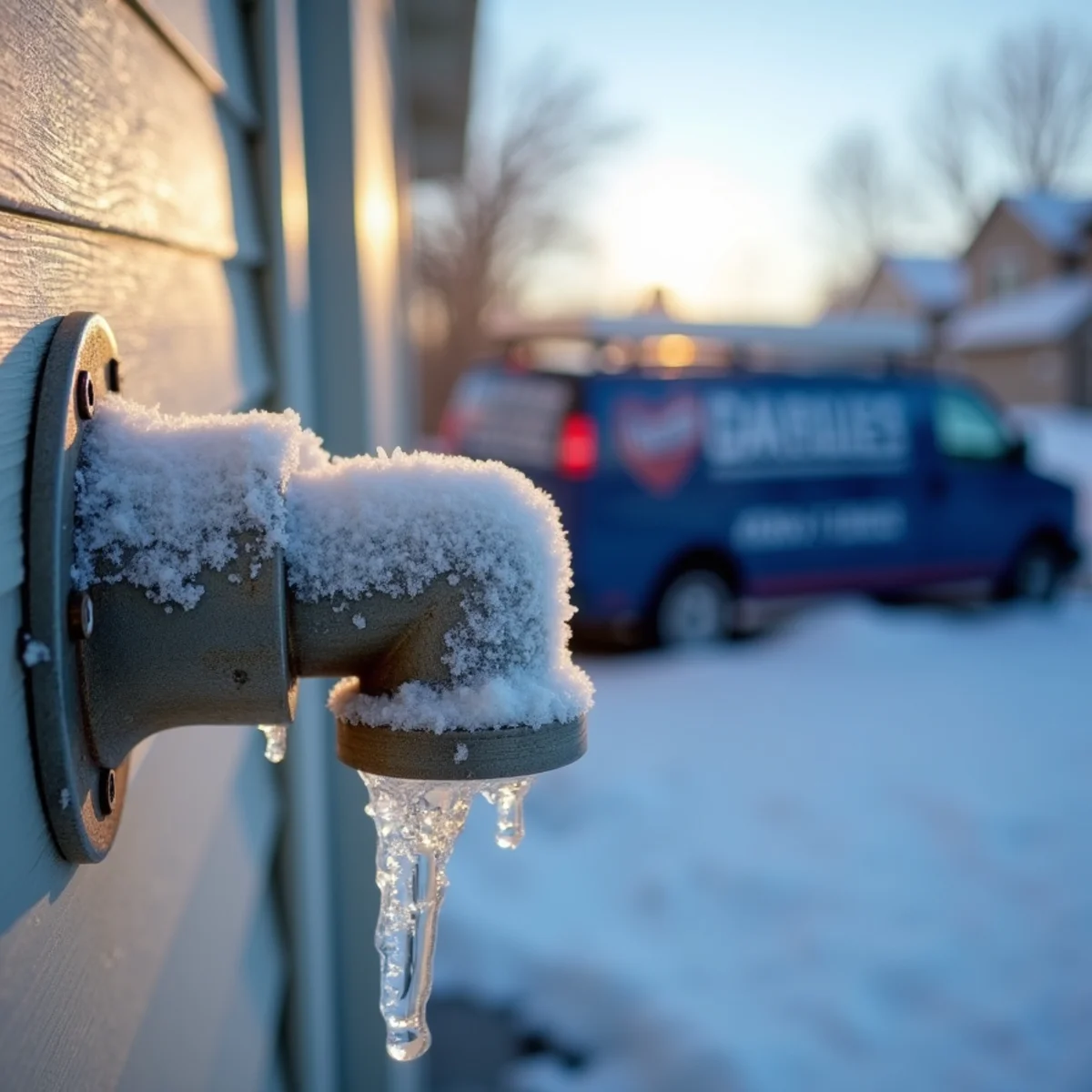
Homeowners often assume pipes only burst during a deep, prolonged cold snap. Along the Front Range, that is only half the story. Englewood and the rest of Arapahoe County sit at altitude with intense sun and wide daily temperature swings. A January day can start at 10 degrees and reach the 50s by afternoon, then plunge again after sunset. That repeated freezing and thawing, not just the cold itself, is what makes our region especially tough on plumbing.
If you own an older home here, or have pipes running through a crawlspace, garage, or exterior wall, understanding the freeze-thaw cycle helps you protect the most vulnerable spots before a burst turns into a flooded floor.
How freezing water actually breaks a pipe
Water is unusual. When it freezes, it expands by roughly nine percent. Inside a closed pipe, that expansion has nowhere to go. As the ice grows, it pushes water ahead of it, and pressure builds in the section between the ice blockage and a closed faucet.
Here is the part that surprises people: the pipe often does not split at the frozen spot. It fails where the trapped pressure has nowhere to escape, sometimes well downstream of the ice. The freeze creates the blockage, and the pressure does the damage. That is also why a dripping faucet during a cold night helps. It relieves the pressure so it cannot build to the breaking point.
Why the Front Range freeze-thaw swing is worse
A steady deep freeze is predictable. The daily whiplash we get here is harder on materials. Each cycle of freezing and thawing stresses pipe walls and joints, working them like bending a paperclip back and forth. Solder joints, threaded connections, and aging galvanized or polybutylene pipe are the first to give.
Our strong high-altitude sun adds another twist. A south-facing wall or an exposed pipe can warm above freezing in the afternoon even when the air stays cold, then refreeze hard overnight. Snowmelt runs into gaps and refreezes. The result is repeated expansion and contraction that a single cold night would never cause.
The pipes most likely to fail in Englewood homes
Not all pipes face equal risk. The ones exposed to outside temperatures, with little or no insulation, are the usual victims.
- Hose bibs and outdoor spigots left connected to a garden hose
- Pipes in unheated crawlspaces, garages, and attics
- Water lines running through exterior walls, especially on the north side
- Plumbing under kitchen and bathroom sinks on outside walls
- Aging galvanized lines in older Englewood bungalows that have thinned with corrosion
- Lines to a basement bathroom or a rarely used utility sink
Simple steps that prevent frozen pipes
Most freeze damage is preventable with a little preparation before the first hard cold, and a few habits during cold snaps.
- 1
Disconnect and drain hoses
In fall, remove garden hoses, drain the spigots, and shut off the interior valve that feeds them if you have one. A connected hose is the single most common cause of a burst hose bib.
- 2
Insulate exposed pipe
Add foam pipe sleeves to lines in the crawlspace, garage, and along exterior walls. It is inexpensive and makes a real difference.
- 3
Seal air leaks
Caulk gaps and cracks near pipes where cold air sneaks in, especially where lines pass through the foundation or an exterior wall.
- 4
Let faucets drip on the coldest nights
A slow trickle from faucets fed by vulnerable pipes relieves pressure and keeps water moving so it cannot freeze solid.
- 5
Keep cabinet doors open
Open the cabinet under sinks on exterior walls so household heat can reach the pipes.
- 6
Do not set the thermostat too low
If you travel in winter, keep the heat at 55 degrees or higher and consider shutting off and draining the water if you will be gone a while.
What to do if a pipe freezes
If you turn on a faucet in a cold snap and only a trickle comes out, a pipe is likely starting to freeze. Act quickly, because a frozen pipe is a burst waiting to happen.
Keep the faucet open so water can flow as the ice melts and pressure has an escape. Apply gentle heat to the frozen section using a hair dryer, a heating pad, or towels soaked in hot water, working from the faucet end back toward the blockage. Never use a blowtorch, propane heater, or any open flame to thaw a pipe. It is a serious fire risk and can damage the pipe. If you cannot find the frozen spot, cannot reach it, or the pipe has already burst, shut off the water at the main and call a plumber.
When a pipe has already burst
A burst pipe is an emergency. Shut off your home's main water valve immediately to stop the flooding, then open a faucet to drain the remaining pressure from the lines. If water is near electrical outlets or the panel, keep clear and cut power to that area only if you can do so safely.
Before you start cleaning up, photograph the damage for your insurance claim. Documenting the burst, the water, and the affected belongings protects you when you file. Then call a plumber to repair the line and help you dry things out before mold takes hold.
When to call an Englewood plumber
If you have a pipe that keeps freezing, visible corrosion on older lines, or a burst that has already happened, professional help pays for itself. A plumber can thaw a stubborn freeze safely, repair or replace the failed section, and point out the vulnerable spots in your Englewood home so the same thing does not happen next winter.
Englewood Plumbing Pros handles frozen and burst pipe repair throughout Englewood and Arapahoe County, including cold-weather emergencies. When the temperature swings and your pipes pay for it, call us at (831) 290-4327.
Frequently Asked Questions
Pipes are generally at risk once the temperature drops to around 20 degrees or below, but exposed and uninsulated lines can freeze sooner, especially with wind chill. The bigger risk on the Front Range is repeated freezing and thawing, which stresses pipes even on days that reach above freezing.