
Englewood Plumbing Pros
Gas Line Safety: Warning Signs Every Homeowner Should Know
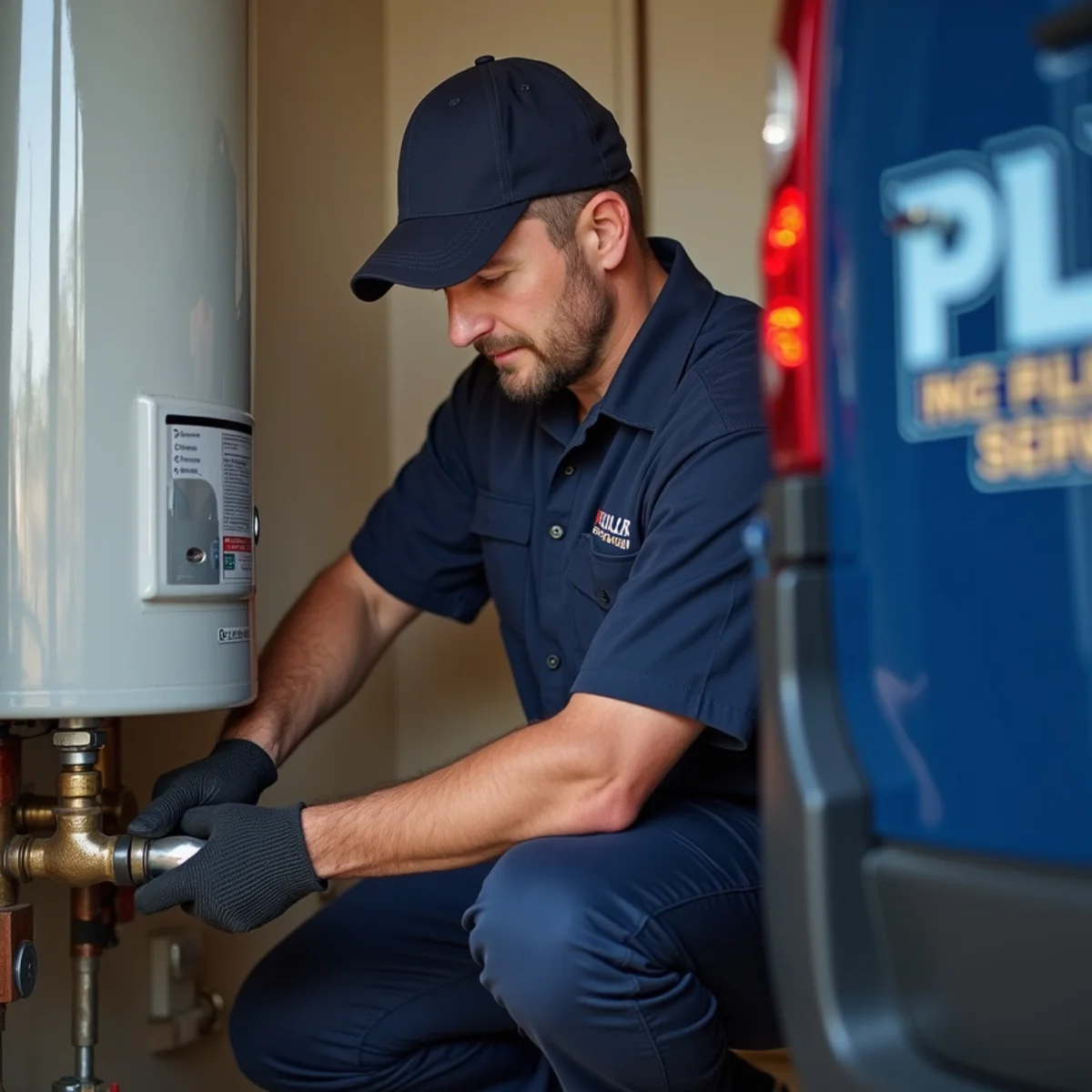
Natural gas runs quietly through most homes along the Front Range, feeding furnaces, water heaters, stoves, and dryers. When the system works, you never think about it. When a line corrodes, loosens, or gets nicked during a backyard project, the risk climbs quickly. Gas is invisible and, on its own, odorless. The safety of your household depends on catching the warning signs early and reacting the right way.
This guide is for homeowners in Englewood, Greenwood Village, and the surrounding Arapahoe County area who want to know what a gas problem actually looks, sounds, and smells like. Recognizing the signs is the part you can do yourself. Repairing the line is not a DIY job, and in Colorado gas work is regulated for good reason. Knowing where that line falls is what keeps your family safe.
The smell you should never ignore
Utilities add a chemical called mercaptan to natural gas so a leak announces itself. Most people describe it as rotten eggs or sulfur. If you catch that smell anywhere in or around your home, treat it as real every single time. Do not wait to see whether it fades.
The smell can be faint near a slow leak or overwhelming near a large one. A weak, intermittent odor near a stove or the furnace closet still deserves attention, because small leaks tend to grow. Trust your nose over your assumptions.
Sounds and sights that point to a leak
Gas leaks are not always about smell. A pressurized line escaping through a small opening often makes a faint hissing or whistling sound near an appliance connection, a meter, or an exposed pipe. If you hear that with no clear source, take it seriously.
Outdoors, an underground leak can kill vegetation. Watch for a patch of dead or discolored grass, plants that wilt for no reason, or bubbling in a puddle or standing water above a buried line. Dust or dirt blowing up from a single spot in the yard with no wind can also signal escaping gas.
- Hissing or whistling near an appliance, meter, or pipe
- A patch of dead grass or dying shrubs over a buried line
- Bubbles rising in standing water or a puddle
- Blowing dust or dirt from one fixed spot in the yard
- A visibly damaged or corroded connection at the water heater or furnace
Physical symptoms and appliance clues
Prolonged exposure to a natural gas leak can cause headaches, dizziness, nausea, fatigue, or trouble breathing. If several people in the home, or pets, feel unwell and improve once they step outside, do not brush it off. That pattern is a strong hint.
Your appliances give clues too. A healthy gas flame burns crisp and blue. A flame that burns yellow or orange, a pilot light that will not stay lit, or unusual soot around a burner can all indicate incomplete combustion or a supply problem. These issues also raise the risk of carbon monoxide, which is a separate colorless, odorless hazard. A working carbon monoxide detector on every level of the home is essential, not optional.
What to do the moment you suspect a leak
If you smell gas or notice several warning signs at once, act calmly and quickly. The goal is to get everyone out and avoid any spark. Do not try to find the leak yourself with a flame, and do not try to fix the line.
- 1
Get everyone out
Leave the house immediately with all people and pets. Do not stop to gather belongings.
- 2
Avoid any ignition source
Do not flip light switches, unplug anything, use a phone indoors, or start a car in an attached garage. A single spark is enough.
- 3
Do not touch the gas appliances
Leave stoves, ovens, and pilot lights alone. Open a door on your way out if it is directly on your path, but do not go around opening windows if that delays your exit.
- 4
Call from a safe distance
Once outside and well away from the house, call your gas utility emergency line and 911. Then call a licensed plumber to inspect and repair the line.
- 5
Do not go back in
Stay out until the utility or emergency responders tell you it is safe to return.
Why gas line work is not a DIY project
Along the Front Range, gas line installation and repair are regulated and typically require a licensed professional and permits. There is a good reason for that. A joint that is a hair loose, the wrong sealant on threaded fittings, or an undetected pinhole can create a slow leak that goes unnoticed until it becomes dangerous.
Professional gas line repair includes pressure testing the line to confirm there are no leaks before it is put back in service. That verification step is the difference between a repair that looks done and one that is actually safe. If you are running a new gas line for a range, a fire pit, or a garage heater, that is professional territory as well.
Preventing gas problems before they start
Some gas trouble is avoidable. Before any digging project in the yard, from planting a tree to setting fence posts, call 811 to have underground utility lines located and marked. Striking a buried gas line with a shovel or auger is one of the most common ways homeowners cause a leak.
Inside, keep the areas around your water heater and furnace clear, and have gas appliances serviced on a regular schedule so worn connections and failing pilots get caught early. If you ever smell gas after relighting a pilot or reconnecting a dryer, stop and call a professional.
When to call an Englewood plumber
Any time you smell gas, hear hissing near a line, or notice a yellow burner flame that will not correct itself, get professional eyes on it. After the immediate emergency steps and a call to your utility, a licensed plumber can locate the fault, repair or replace the affected section, and pressure test the line so you know it is sound. The same goes for adding a new gas appliance in Englewood, Greenwood Village, or anywhere in Arapahoe County.
Englewood Plumbing Pros handles gas line repair and gas-related emergencies for homeowners across the area. If something does not smell or sound right, do not wait it out. Call us at (831) 290-4327 and we will make sure your gas system is safe.
Frequently Asked Questions
Utilities add a chemical called mercaptan that smells like rotten eggs or sulfur. If you notice that odor anywhere in or around your home, treat it as a real leak, get everyone outside, and call your gas utility and a licensed plumber.