
Englewood Plumbing Pros
Does Home Insurance Cover Water Damage in Colorado?
Water damage is one of the most common homeowner insurance claims, and also one of the most misunderstood. Many Colorado homeowners assume their policy covers any water problem, only to find out after the fact that the specific cause was excluded. The difference often comes down to a single word: sudden.
This guide explains, in plain terms, when insurance water damage in Colorado is typically covered and when it is not, using the kinds of problems we see every week in Littleton and around Arapahoe County. We are plumbers, not insurance agents, so always confirm the specifics with your carrier, but this will help you understand what to expect.
The general rule: sudden and accidental is usually covered
Most standard homeowners policies cover water damage that is sudden and accidental. A pipe that bursts in a cold snap, a water heater that fails and floods the basement, or a supply line to a washing machine that suddenly lets go are the classic covered events. The damage was unexpected and happened quickly.
What is generally not covered is damage that builds up gradually over time. A slow leak under a sink that rots the cabinet over months, or a drip inside a wall you never noticed until the drywall stained, is often denied on the grounds that it resulted from a lack of maintenance rather than a sudden event.
- Typically covered: burst pipe, sudden appliance or water heater failure
- Typically covered: accidental overflow you could not have foreseen
- Often excluded: slow, long-term leaks that caused gradual damage
- Often excluded: damage blamed on deferred maintenance or neglect
Common exclusions Colorado homeowners hit
A few exclusions catch people off guard here. Sewer and drain backups are usually not covered under a base policy; you generally need a separate water or sewer backup endorsement added on. Given how common root-related backups are in our older neighborhoods, that endorsement is worth asking about.
Flooding from outside, such as the South Platte overtopping its banks or heavy runoff entering a basement from the ground, is not covered by a standard homeowners policy at all. That requires separate flood insurance. And if a home is left unheated and pipes freeze and burst as a result, an insurer may deny the claim as a maintenance failure.
- Sewer or drain backups without the backup endorsement
- Groundwater or surface flooding (needs separate flood coverage)
- Freeze damage in a home left unheated or vacant
- Gradual seepage and long-neglected leaks
Why the source of the leak matters so much
Adjusters focus heavily on the cause, because it decides coverage. There is also an important distinction between the water damage and the source. Many policies pay to repair the water damage, such as ruined drywall and flooring, but not the failed part itself. If a corroded pipe bursts, the policy may cover drying out and rebuilding the room while leaving the cost of the new pipe to you.
This is why the story of how it happened matters. A sudden burst is covered; the same pipe slowly weeping for a year is not. Documenting that the failure was sudden, and getting a plumber to confirm the cause, strengthens your claim considerably.
How to protect your claim
Whatever the cause, a few steps improve your odds of a fair payout. First, stop the damage. Insurers expect you to take reasonable action, such as shutting off the water, to prevent the loss from getting worse. Second, document everything before you clean up.
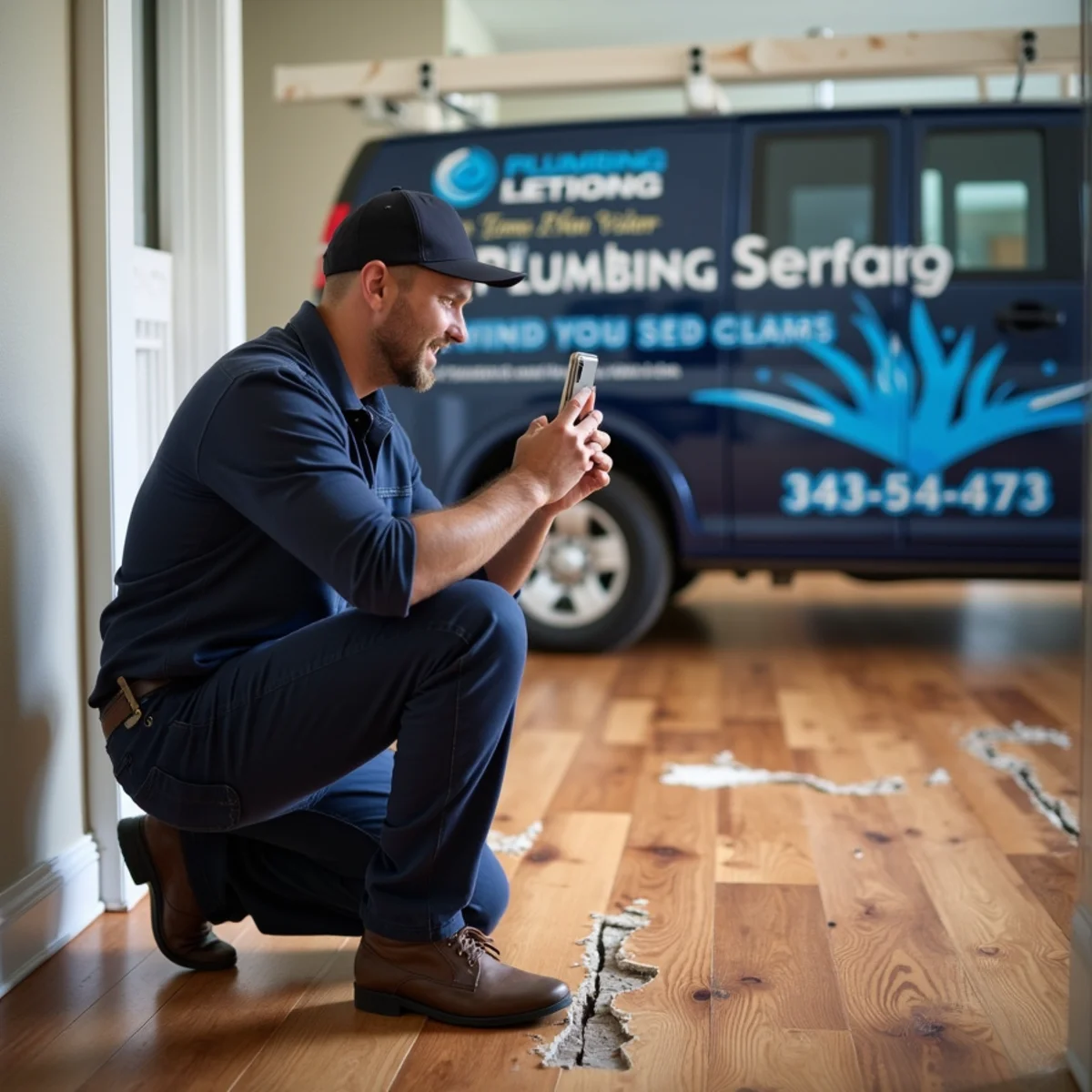
Photograph and video the source, the standing water, and every damaged item, and keep receipts for anything you buy to mitigate the damage. Report the loss to your carrier promptly, keep damaged materials until the adjuster has seen them, and get a written diagnosis from your plumber describing the cause. That professional documentation of a sudden failure is often the difference between an approved and a denied claim.
- 1
Stop the water immediately
Shut off the main or the fixture stop. Failing to mitigate can reduce or void a payout.
- 2
Document before cleanup
Take wide and close-up photos and video of the source and all damage, and keep mitigation receipts.
- 3
Report the loss promptly
Call your carrier as soon as it is safe. Delays can complicate a claim.
- 4
Get a professional cause diagnosis
A plumber report confirming a sudden failure supports your claim and clarifies what needs repair.
Where a plumber fits in the process
A plumber does more than fix the leak. We identify the source, whether it was a sudden burst, a slab leak, or a slow failure, and we can provide documentation for your adjuster. That matters especially with slab leaks, which are hidden under the foundation and can be tricky to prove without professional leak detection.
We also help you understand the scope, so you know what falls under the water-damage portion of your claim versus the plumbing repair you may pay for yourself. Clear, honest documentation from a licensed pro helps the whole process move faster.
When to call an Englewood plumber
If you have water damage and are not sure of the source, or you suspect a hidden leak inside a wall or under the slab, get a plumber out to find and document it. Pinpointing the cause quickly both stops the damage and supports your insurance claim.
Englewood Plumbing Pros provides leak detection and slab leak repair throughout Englewood and Littleton, and we are glad to document our findings for your insurer. If you have a leak or water damage and questions about the source, call us at (831) 290-4327.
Frequently Asked Questions
Usually yes. A burst pipe is a sudden, accidental event, which most standard policies cover for the resulting water damage. The cost of the pipe itself may or may not be included, so review your specific policy.