
Englewood Plumbing Pros
No Hot Water? Troubleshooting Water Heaters in Winter
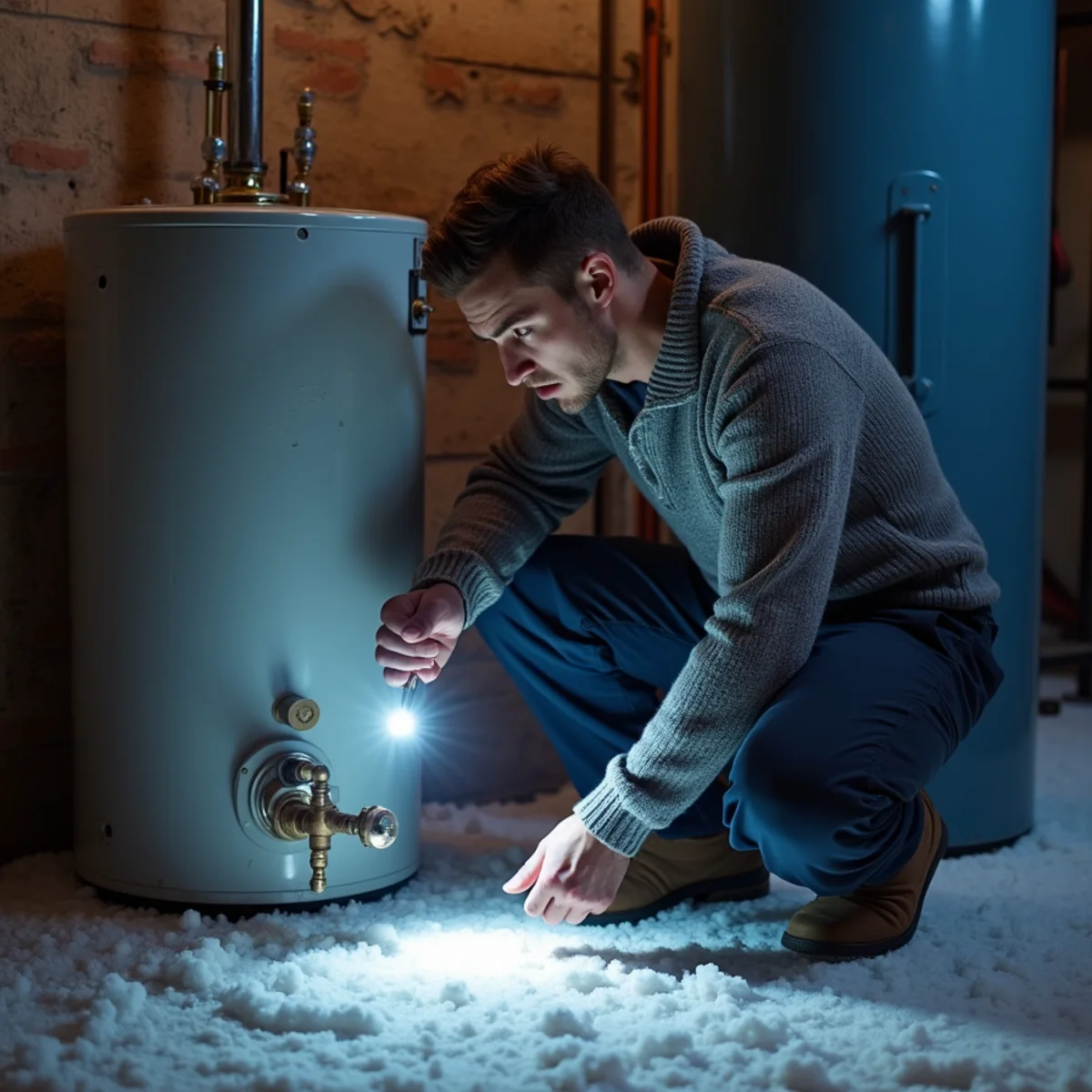
Waking up to no hot water is never fun, and it always seems to happen on the coldest morning of the year. Winter is genuinely harder on water heaters here. Incoming water off the Front Range is colder, so your heater works longer for the same result, and hard water minerals build up faster inside the tank.
Before you assume the worst, there are a handful of checks you can safely run yourself. Some fixes take two minutes; others tell you it is time to call a plumber. This guide walks through both gas and electric water heaters so you can figure out why you have no hot water in your Centennial home.
Start with the simple stuff
Before touching the heater, rule out the easy explanations. If only one faucet runs cold, the problem is likely at that fixture, not the heater. If everything is cold, the heater is the suspect.
Check that no one simply used up the tank. A family running back-to-back showers and a dishwasher can drain a 40-gallon tank, and it needs 30 to 60 minutes to recover. In deep cold, recovery takes longer because the tank is heating water that came in much colder than in summer.
- Is it one fixture or the whole house? One fixture points away from the heater
- Did the household just use a lot of hot water? Give the tank time to recover
- Is the thermostat on the heater set high enough? Aim for about 120 degrees
- Any burning smell, popping sounds, or water around the base? Note these for your plumber
Troubleshooting a gas water heater
On a gas unit, the most common winter failure is a pilot light or igniter that has gone out. Look through the small window near the bottom of the tank for a flame. If it is dark, the burner is not firing, and that is why the water is cold.
Many gas heaters can be relit following the printed instructions on the tank label. Work slowly and carefully. If you smell gas at any point, stop, leave the house, and call your gas utility from outside. A pilot that will not stay lit often points to a bad thermocouple or gas valve, which is a repair, not a DIY fix.
- 1
Confirm the gas is on
Check that the gas control valve is in the on position and that other gas appliances, like your furnace, are working. If the whole house has no gas, call the utility.
- 2
Check the pilot or igniter
Look for a lit pilot flame through the sight window. On newer electronic-ignition models, listen for the igniter clicking when there is a hot water demand.
- 3
Relight per the label instructions
Follow the manufacturer steps on the tank exactly. Never rush this step, and never relight if you smell gas.
- 4
If it will not stay lit, stop
A pilot that lights then dies usually means a failing thermocouple or control valve. That is a call for a licensed plumber.
Troubleshooting an electric water heater
Electric units have no flame, so the first thing to check is the breaker. A water heater draws a lot of power, and a tripped double-pole breaker in your panel is a frequent reason for no hot water. Flip it fully off and back on, then wait an hour for the tank to heat.
Many electric heaters also have a red reset button on a high-temperature limit switch behind an access panel. If it has popped, pressing it may restore heat. If it trips again, do not keep resetting it. A repeating trip signals a failing heating element or thermostat, and continuing to reset it can be a safety hazard.
- Check and reset the double-pole breaker for the heater
- Press the red high-limit reset button behind the upper access panel
- If the breaker or reset trips again, stop and call a pro
- A heater near the end of its life may have a burned-out element
Signs it is more than a quick fix
Some symptoms mean the heater needs a plumber regardless of what type it is. Water pooling around the base of the tank usually means the tank itself has corroded through, and that cannot be repaired; the unit has to be replaced. Rusty or brown hot water, a rotten-egg smell, or loud popping and rumbling all point to heavy sediment and a tank near the end of its service life.
Our hard Front Range water accelerates all of this. Minerals settle to the bottom of the tank, insulate the burner or element from the water, and make the heater work harder and fail sooner. A tank flushed once a year lasts noticeably longer than one that has never been serviced.
Why winter makes heater problems worse
Cold weather does not just make a failure more miserable; it makes marginal heaters fail outright. Incoming municipal water can drop close to freezing, so a heater already weakened by sediment or a tired element simply cannot keep up with demand. A unit that limped through summer often quits in January.
If your heater is more than about ten years old and struggling this winter, it is worth having it evaluated now rather than waiting for it to fail completely during a cold snap, when you least want to be without hot water.
When to call an Englewood plumber
If you have checked the basics and still have no hot water, or if you see leaking, rust, or a pilot that will not stay lit, it is time to bring in a professional. Guessing at gas valves and electric elements is how small problems become dangerous ones.
Englewood Plumbing Pros handles water heater repair and replacement across Englewood and Centennial. We will diagnose the exact fault, give you an honest repair-or-replace recommendation, and get hot water flowing again. If you are stuck with a cold tap, call us at (831) 290-4327 and we will help.
Frequently Asked Questions
Colder incoming water means your heater must raise the temperature much further to reach the same output, so the same tank delivers fewer minutes of hot water and takes longer to recover between uses.