
Englewood Plumbing Pros
Sewer Backup Emergency: First Steps Before We Arrive
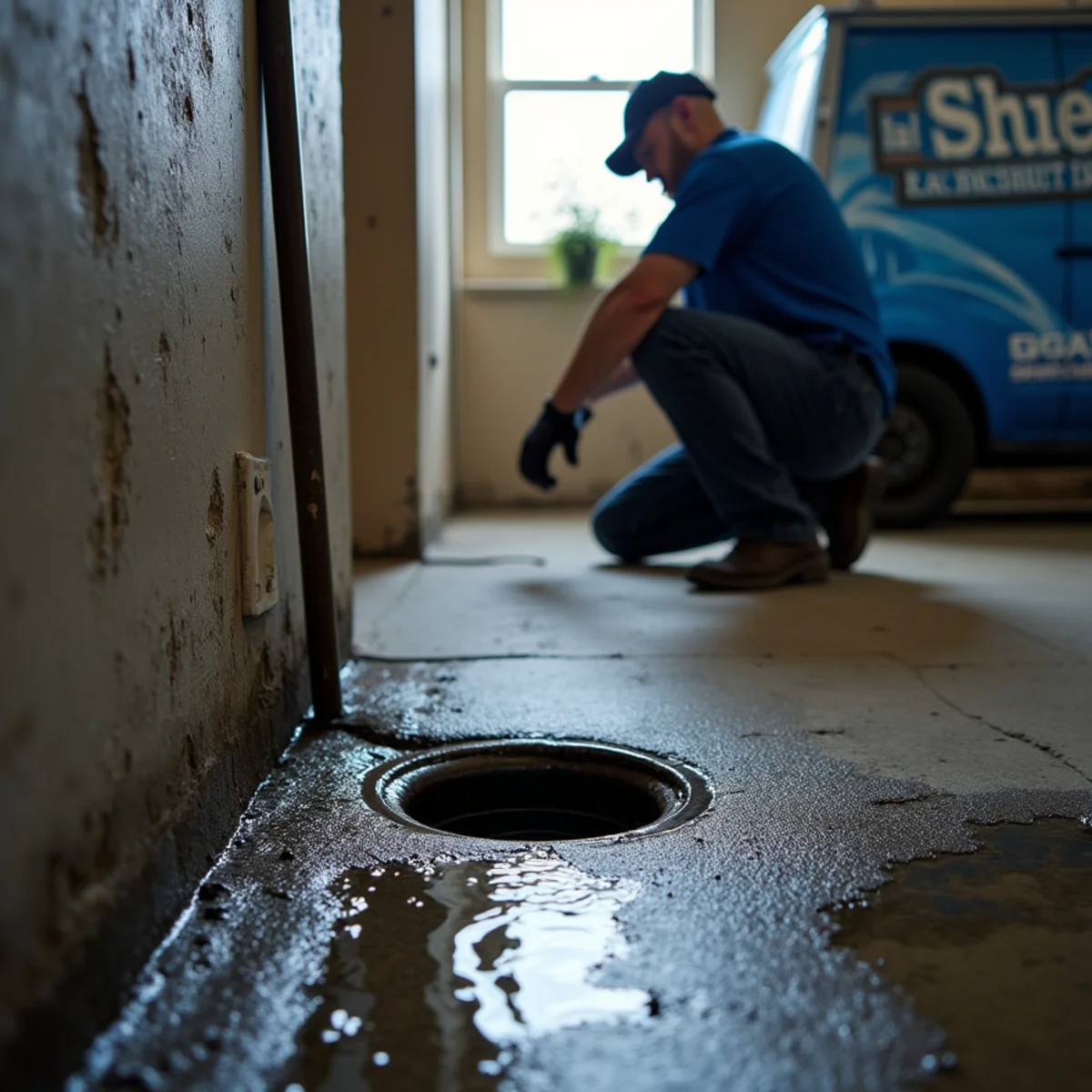
A sewer backup is one of the most unpleasant problems a homeowner can face. Instead of clean water, you are dealing with contaminated wastewater coming up through floor drains, tubs, or the lowest toilet in the house. It carries bacteria and can make people and pets sick, so a sewer backup emergency is as much a health matter as a plumbing one.
If you are seeing dark water rising in a basement drain or smelling sewage, this guide covers the first steps to take before we arrive. Follow them and you will protect your household and keep the damage contained while help is on the way.
Stop adding water to the system
The most useful thing you can do immediately is stop using water anywhere in the house. Every flush, every load of laundry, every shower sends more water toward a line that cannot drain, which pushes the backup higher.
Tell everyone in the home to hold off on flushing toilets, running sinks, or starting the dishwasher or washing machine. If a fixture is actively overflowing, and you can reach it safely, shut the water off at that fixture. In a severe backup, shutting the main supply off entirely removes any temptation and buys time.
- No flushing, no sinks, no showers until the line is clear
- Hold laundry and the dishwasher, which dump large volumes at once
- Shut off individual fixture stops if one is overflowing
- Consider closing the main water supply during a severe backup
Keep people and pets away from the contamination
Treat sewage water as hazardous, because it is. It can contain bacteria, viruses, and parasites. Keep children and pets completely out of the affected area, and do not walk through it in bare feet or open shoes.
If you have to enter the area to shut off water or move something valuable, protect yourself. Wear rubber boots, waterproof gloves, and eye protection, and avoid touching your face. Anything porous the water has touched, such as carpet, cardboard boxes, or upholstered furniture, should be treated as contaminated until a professional assesses it.
Close doors or use towels along thresholds to keep the contamination from spreading into clean rooms, and shut off your HVAC system so it does not pull sewage odor and airborne contaminants through the ductwork into the rest of the house. Wash your hands and any exposed skin thoroughly the moment you step out of the affected area, and keep anyone with a weakened immune system, as well as young children, well away until cleanup is finished.
Watch out for electrical hazards
Water and electricity are a dangerous combination. If the backup is anywhere near outlets, a water heater, a furnace, or your electrical panel, shut off power to that part of the house at the breaker before you go near the water.
If reaching the panel means standing in the water, stop. Do not risk it. Stay out of the area and let us or a licensed electrician handle it. No belongings are worth an electric shock.
Protect belongings and start documentation
Once you are safe, lift what you can out of the water. Move boxes, electronics, and furniture to a dry, clean area. The less time your possessions spend sitting in contaminated water, the more you can salvage.
As with any water loss, take photos and video before you clean up. A sewer backup is often covered under a specific sewer or water backup endorsement on a Colorado homeowners policy, and your adjuster will want documentation of the source and the damage. Photograph the standing water, the affected drains, and any ruined items, and keep a written note of when it started.
What causes sewer backups on the Front Range
Understanding the cause helps you prevent the next one. In older Englewood and Aurora neighborhoods, the classic culprit is tree roots. Roots seek out the moisture and nutrients in a sewer line and work their way into joints in clay or cast-iron pipe, forming a mat that snags everything flushed down the drain.
Other common causes include grease that has cooled and hardened into a blockage, so-called flushable wipes that do not actually break down, and bellied or collapsed sections of old pipe sitting in our expansive clay soil, which shifts with moisture. Heavy rain or spring snowmelt can also overwhelm an aging municipal line and push water back toward the lowest drains in your home.
- Tree roots infiltrating clay and cast-iron sewer lines
- Grease, wipes, and non-flushable items forming clogs
- Bellied, cracked, or collapsed pipe in shifting clay soil
- Heavy rain or snowmelt overwhelming the municipal system
When to call an Englewood plumber
A sewer backup is not a plunger-and-hope situation. It needs a professional with a camera to find the blockage, the right equipment to clear it, and the training to clean up contamination safely. Trying to snake a main line yourself often just packs the clog tighter or damages old pipe.
Englewood Plumbing Pros provides sewer backup cleanup and drain cleaning throughout Englewood and Aurora. We will camera the line to find exactly what is causing the backup, clear it, sanitize the affected area, and talk you through preventing a repeat. If you have sewage backing up right now, stop using water and call us at (831) 290-4327.
Frequently Asked Questions
Yes. Sewage carries bacteria, viruses, and parasites that can cause serious illness. Keep everyone away from the water, wear protective gear if you must enter, and let professionals handle cleanup and sanitizing.