
Englewood Plumbing Pros
Sump Pump Maintenance Before Spring Snowmelt
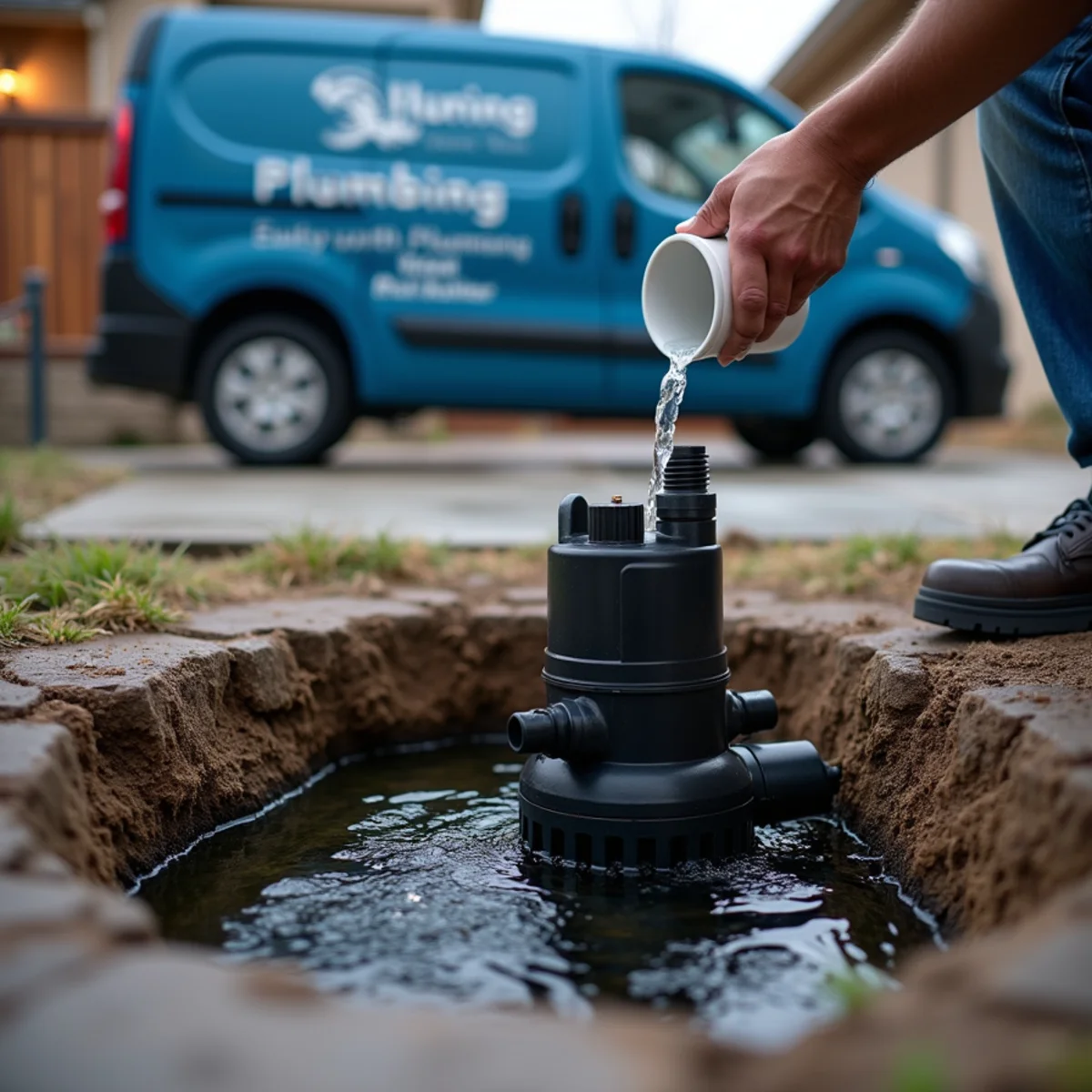
Every spring, the snowpack that built up all winter melts and soaks into the ground across the Front Range. On top of that, spring storms and a rising water table push groundwater against basement walls and floors. For a lot of homes from Englewood to Longmont, the sump pump is the one piece of equipment holding all that water back.
The trouble is that a sump pump sits idle for months, then gets asked to run hard exactly when the ground saturates. A pump that failed quietly over the winter does not announce itself until water is already rising in the pit. Spring snowmelt is precisely the wrong time to discover a dead pump. A short maintenance check before the melt is cheap insurance against a flooded basement.
Why snowmelt is the real test
A sump pump's whole job is to collect groundwater in a pit and pump it away from the foundation before it can flood the basement. During a dry stretch, it might not cycle for weeks. When the snow melts and spring rain arrives, the water table rises and the pump may run constantly for days.
That sudden, sustained demand is what exposes weak pumps. A worn motor, a stuck float switch, a clogged intake, or a frozen discharge line might go unnoticed all winter and then fail under the first real load. Testing and servicing the pump before the melt means finding those problems while you still have time to fix them calmly.
Test that the pump actually runs
The most important check is also the simplest: confirm the pump turns on, moves water, and shuts off. Do not assume it works because it worked last year.
- 1
Inspect the pit
Remove the lid and clear out any debris, gravel, or mud that has collected in the sump pit and could clog the intake.
- 2
Pour in water
Slowly pour a few buckets of water into the pit to raise the level, just as groundwater would.
- 3
Watch the float switch
The rising water should lift the float and trip the switch, starting the pump automatically. If it does not, the float may be stuck, misaligned, or failed.
- 4
Confirm it pumps and stops
The pump should move the water out quickly and then shut off on its own as the level drops. Listen for smooth operation without grinding or rattling.
- 5
Repeat once
Run the test a second time to make sure it cycles reliably, not just once.
Check the discharge line
A pump can be in perfect shape and still fail to protect your basement if the water has nowhere to go. The discharge line carries water from the pump to the outdoors, and it needs to be clear and to release the water well away from the foundation, ideally several feet out and graded so it flows away rather than seeping right back.
In our climate there is an added risk: the outdoor end of the discharge line can freeze and block during a late cold snap, so the pump runs but the water backs up. Make sure the line is not clogged, kinked, or frozen, and that any check valve is working so pumped water does not drain back into the pit. If the discharge point sits in a spot that stays frozen, it is worth addressing before the melt.
Inspect the pump and pit components
Beyond the run test, a closer look at the parts catches wear before it becomes failure.
- Clean the intake screen and impeller area of debris that restricts flow
- Confirm the float moves freely and is not rubbing the pit wall
- Check the power cord and that the outlet, ideally a GFCI, is working
- Listen for unusual noise that can signal a worn motor or bearing
- Verify the check valve holds so water does not flow back after each cycle
- Look for rust, cracks, or corrosion on the pump body
Consider a backup for power outages
Spring storms that bring heavy runoff also bring power outages, and a standard sump pump is useless without electricity, exactly when you need it most. A battery backup pump kicks in when the power goes out or the primary pump cannot keep up, and for many Front Range homes it is the difference between a dry basement and a flooded one.
If you already have a backup, spring maintenance is the time to test it and check the battery, since batteries lose capacity as they age. A backup that has not been tested is a backup you cannot count on.
Watch for signs of a struggling pump
Even between maintenance checks, your pump will often tell you when something is wrong. Pay attention to these signs and address them before the heavy runoff arrives.
- The pump runs constantly or cycles on and off rapidly
- Strange grinding, rattling, or humming noises
- Visible rust or vibration during operation
- Water in the pit that is not being cleared
- The pump is more than about ten years old, near the end of a typical lifespan
- Any dampness or water intrusion appearing in the basement
When to call an Englewood plumber
If your pump fails the run test, makes unusual noises, is over a decade old, or you find dampness in the basement, get it addressed before the snowmelt rather than during it. A plumber can service or replace the pump, clear or reroute a problem discharge line, install a battery backup, and use leak detection to trace any water intrusion to its source.
Englewood Plumbing Pros services, repairs, and installs sump pumps throughout Englewood, Longmont, and the Front Range, and can track down basement leaks before they become bigger problems. To be ready before the water rises, call us at (831) 290-4327.
Frequently Asked Questions
Test it at least a couple of times a year, and always before spring snowmelt, by pouring water into the pit to confirm the pump turns on, clears the water, and shuts off. A pump that sits idle all winter can fail quietly and needs to be verified before heavy runoff arrives.