
Englewood Plumbing Pros
Water Heater Repair vs. Replace: A Cost Breakdown
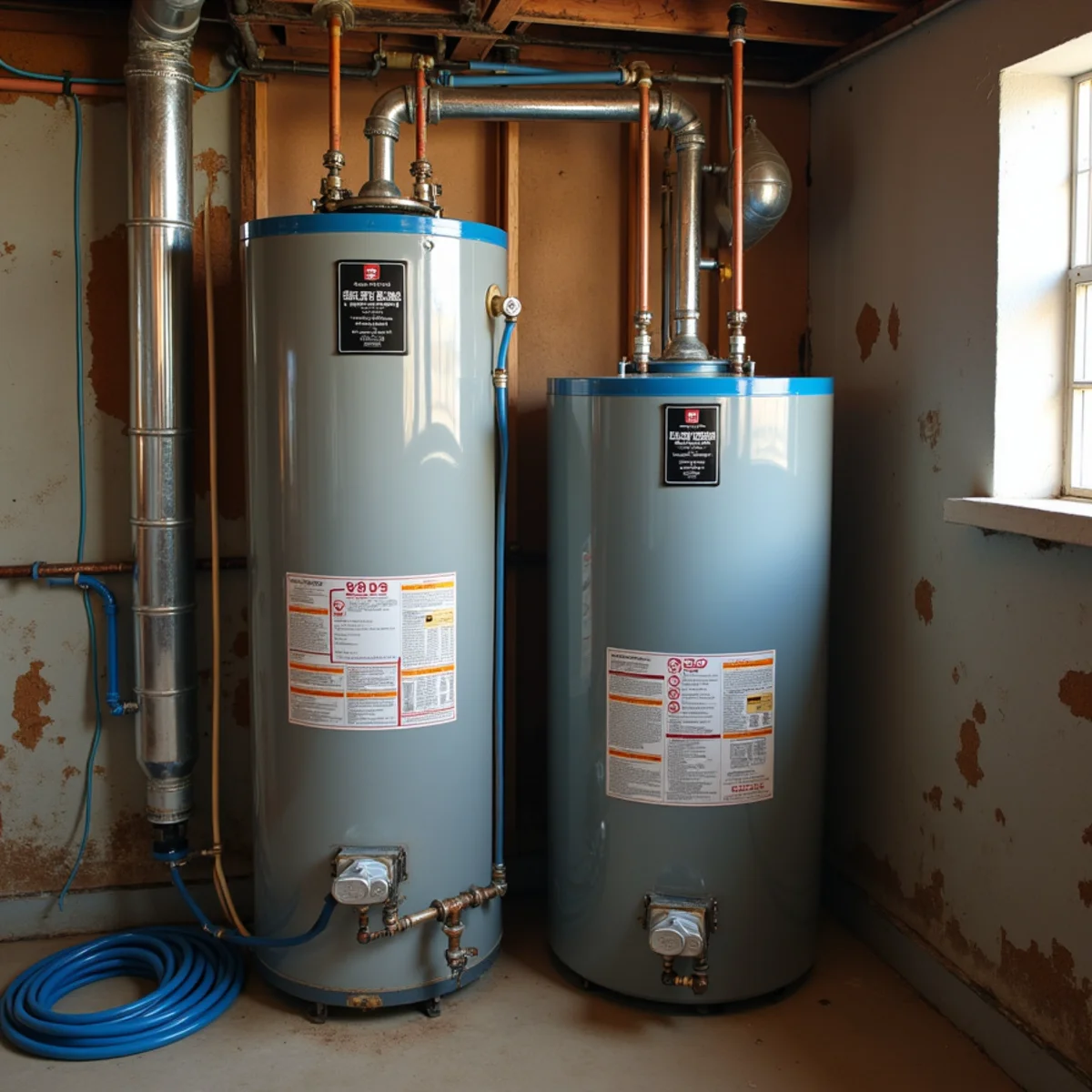
When your water heater starts acting up, you face one practical decision: pay to fix it, or spend more now and replace it. There is no single right answer, because it depends on the unit age, the specific problem, and the cost of the repair against the cost of a new heater.
This breakdown gives you the framework we use with homeowners in Highlands Ranch and across the Front Range to answer water heater repair or replace. We will cover the numbers, the age rules, and the symptoms that tip the decision one way or the other. All prices here are regional estimates to help you plan, not firm quotes.
What repairs typically cost
Many water heater problems are genuinely repairable, and repair is often the smart choice on a newer unit. Replacing a thermocouple, a heating element, a thermostat, or a pressure relief valve is usually a modest job. As a regional estimate, common component repairs fall within a service visit at roughly $100 to $200 per hour of labor plus the part, with many jobs completed in a single visit.
The rule of thumb: if the heater is under about eight years old and the repair is a straightforward component, fixing it is usually worth it. You get years of service for a fraction of replacement cost.
- Thermocouple or igniter (gas): a common, affordable fix
- Heating element or thermostat (electric): usually repairable
- Pressure relief valve: an inexpensive but important safety part
- Anode rod replacement: cheap maintenance that extends tank life
What replacement typically costs
Replacement is a bigger number but sometimes the better value. As a regional estimate, installing a standard tank water heater in the Denver metro runs roughly $1,150 to $2,500 depending on size, fuel type, and any code upgrades. A tankless unit costs more up front, commonly about $2,500 to $5,000 installed, but lasts longer and can lower energy bills.
Those ranges vary with the details of your install. An older home may need venting, gas line, or expansion tank work to meet current code, which adds to the total. A straightforward like-for-like swap lands at the lower end. Again, treat these as regional estimates, not quotes.
- Standard tank replacement: about $1,150-$2,500 installed (regional estimate)
- Tankless replacement: about $2,500-$5,000 installed (regional estimate)
- Add cost for code upgrades: venting, expansion tank, gas line work
- A larger tank or premium unit raises the total
The age test
Age is the biggest single factor. A conventional tank heater lasts about 8 to 12 years, and our hard Front Range water tends to push that toward the lower end. If your unit is past ten years old, replacement is usually the better long-term choice even if the immediate repair is possible.
A useful guideline many plumbers use is the 50 percent rule: if the repair costs more than half the price of a new unit, and the heater is more than halfway through its expected life, replace it. Pouring money into an old tank that will fail again soon rarely pays off.
Symptoms that point to replacement
Some problems mean the heater is done regardless of age. Water pooling around the base of the tank is the clearest one. A leaking tank has corroded through and cannot be repaired; it must be replaced before it fails completely and floods the room.
Rusty or brown hot water, a persistent rotten-egg smell, and loud rumbling or popping all point to a heavily corroded, sediment-packed tank near the end of its life. If you are also running out of hot water faster than you used to, the tank capacity is effectively shrinking as sediment builds up, and replacement is the practical fix.
- Water pooling at the base means the tank has failed; replace it
- Rusty or discolored hot water signals internal corrosion
- Rumbling or popping means heavy sediment buildup
- Steadily shorter hot water supply points to a dying tank
How Front Range hard water changes the math
Our water is hard, and that matters for this decision. Dissolved minerals settle to the bottom of the tank as sediment, insulate the burner or element from the water, and make the heater work harder for less output. Left alone, sediment shortens the life of the unit and drives up energy costs.
Annual flushing removes that sediment and is the cheapest way to extend a heater life. If your unit has never been flushed and is showing symptoms, it may be closer to the end than its age suggests. A plumber can flush the tank and tell you honestly whether it has good years left or is living on borrowed time.
When to call an Englewood plumber
The repair-or-replace call is easier with an experienced set of eyes on the unit. A good plumber will give you the straight answer, including when a simple repair buys you years and when replacement is the smarter money, rather than pushing the bigger sale.
Englewood Plumbing Pros provides water heater repair and replacement throughout Englewood and Highlands Ranch, with honest recommendations and clear pricing. If your heater is struggling and you want a real assessment of your options, call us at (831) 290-4327.
Frequently Asked Questions
Generally when the unit is under about eight years old and the repair is a simple component like an element or thermocouple. A common guideline: if the repair costs less than half a new unit and the heater has life left, repair it.