
Englewood Plumbing Pros
Winterizing Your Colorado Home: A Plumbing Checklist
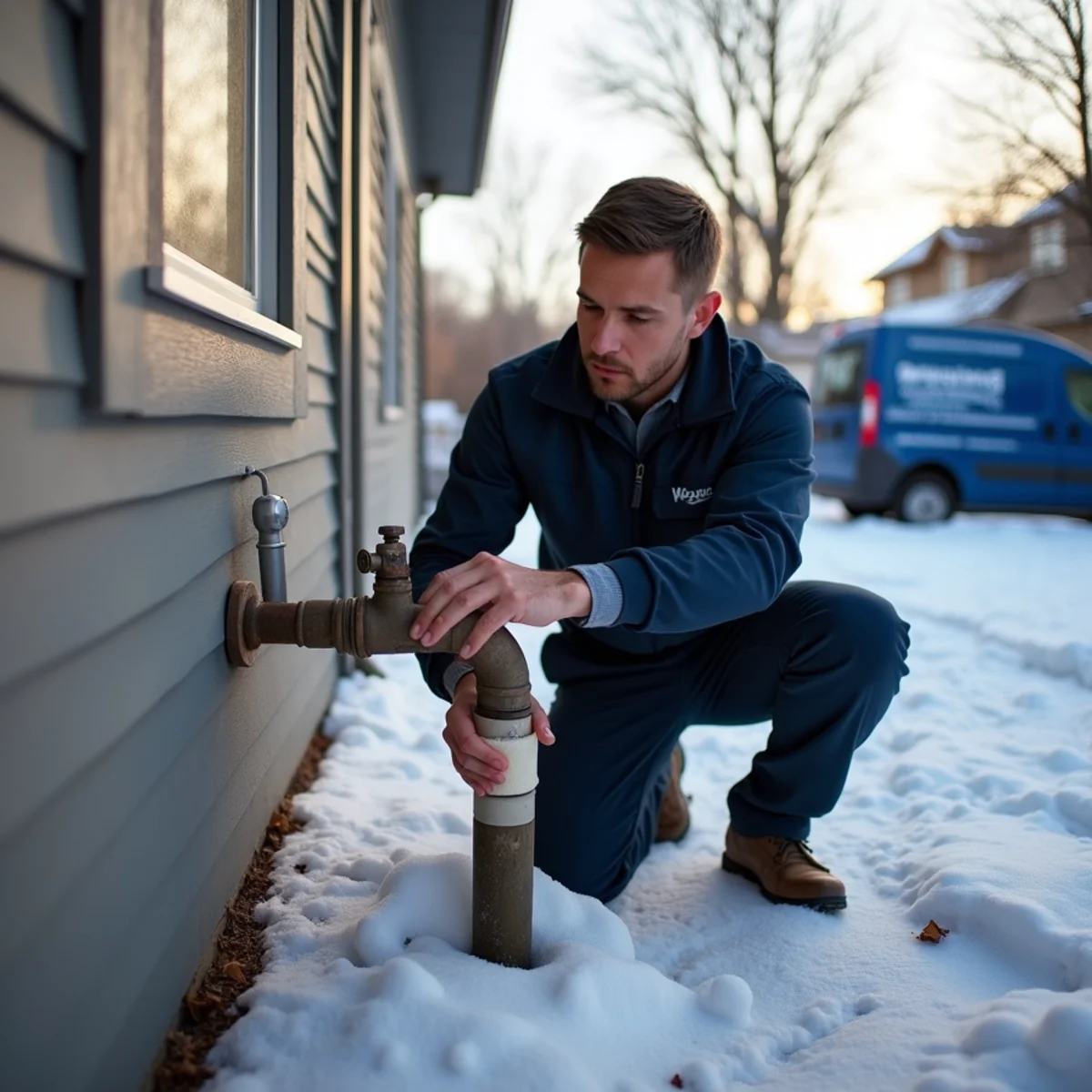
Winter on the Front Range does not ask permission. One warm October week can flip to a hard freeze overnight, and the homes that sail through are the ones that got ready in the fall. Winterizing your plumbing is not complicated, but it is the kind of chore that is easy to put off until the first cold snap makes it urgent, or worse, until a pipe bursts.
This checklist is built for Colorado homes, from Englewood to Castle Pines, where freeze-thaw swings, high-altitude sun, and cold snaps all put pressure on your plumbing. Work through it before the temperature drops and you will spend the winter thinking about anything other than your pipes.
Start outside: hose bibs and irrigation
The most common winter plumbing failure starts at an outdoor spigot with a garden hose still attached. When water trapped in the hose and bib freezes, it can crack the bib or the pipe just inside the wall, and you may not find out until spring when you turn it on and water pours into the wall.
- 1
Disconnect all hoses
Remove garden hoses, drain them, and store them so they do not freeze and crack.
- 2
Shut off and drain the bibs
If you have an interior shutoff for each outdoor spigot, close it and open the spigot to drain the remaining water. Leave it open through winter.
- 3
Insulate the spigots
Fit foam faucet covers over hose bibs for extra protection, especially on exposed walls.
- 4
Blow out the sprinkler system
Have your irrigation system professionally blown out with compressed air to clear water from the lines before the first freeze.
Protect vulnerable interior pipes
Inside, the pipes at risk are the ones exposed to the cold: lines in unheated crawlspaces, garages, attics, and along exterior walls. These need insulation and, on the coldest nights, a little extra help.
- Add foam pipe sleeves to exposed pipes in crawlspaces, garages, and attics
- Seal cracks and gaps where cold air reaches pipes, especially at the foundation and rim joist
- Know which faucets to let drip on the coldest nights to keep water moving
- Open cabinet doors under sinks on exterior walls so heat reaches the pipes
- Keep the garage door closed if water lines run through it
Service the water heater
Your water heater works hardest in winter, when incoming water is coldest and demand is highest. A little fall maintenance keeps it efficient and reduces the odds of a cold-shower surprise on a January morning.
Flush a few gallons from the tank to clear out the sediment that our hard water leaves behind, since that layer makes the heater work harder and shortens its life. Check that the temperature is set to a safe and efficient level, generally around 120 degrees, and take a moment to look for any signs of rust, corrosion, or moisture around the base. A tank showing its age is better replaced on your schedule than in the middle of winter.
Check the sump pump before you need it
Along the Front Range, a sump pump protects a lot of basements from snowmelt and spring runoff. It is easy to forget about until water is already coming in. Fall is the time to confirm it works, before winter freeze and the spring thaw put it to the test.
Pour a bucket of water into the sump pit and make sure the pump kicks on, moves the water out, and shuts off cleanly. Check that the discharge line is clear and directs water well away from the foundation, and that the outlet will not freeze solid and block flow. If you rely on your basement staying dry, a battery backup is worth considering for the power outages that winter storms bring.
Locate and test your main shutoff
Every member of the household should know where the main water shutoff is and how to use it. In a burst-pipe emergency, the minutes you save shutting off the water are the difference between a mopped-up floor and a flooded one.
Find the main valve, usually where the water line enters the home, and test that it turns freely and fully stops the flow. If it is seized or leaks when you operate it, have it replaced before winter. A shutoff that does not work when you need it is worse than useless.
Prepare for time away from home
Colorado winters send a lot of people to the mountains or out of town over the holidays. An empty house with the heat turned down is exactly where frozen-pipe disasters happen.
If you will be gone, never turn the heat off completely. Keep the thermostat at 55 degrees or higher so pipes in walls and unheated spaces stay above freezing. For longer absences, consider shutting off the main water supply and draining the pipes so there is nothing to freeze and burst while you are away. Ask a neighbor to check on the house periodically as well.
When to call an Englewood plumber
Some of this checklist is straightforward DIY, and some is worth handing to a professional, especially if you find a seized shutoff, a water heater past its prime, a sump pump that will not run, or pipes you are not sure how to protect. Getting these handled in the fall is far cheaper and calmer than an emergency call during a January freeze.
Englewood Plumbing Pros helps homeowners across Englewood, Castle Pines, and the Front Range get ready for winter, from frozen-pipe prevention to sump pump service. To winterize with confidence, call us at (831) 290-4327 before the cold sets in.
Frequently Asked Questions
Aim to finish before the first hard freeze, which on the Front Range can arrive as early as October. Getting hose bibs, sprinkler blowouts, pipe insulation, and your sump pump handled in the fall means you are not scrambling when the first cold snap hits.