
Plumbing in Twin Lakes: What We See Most
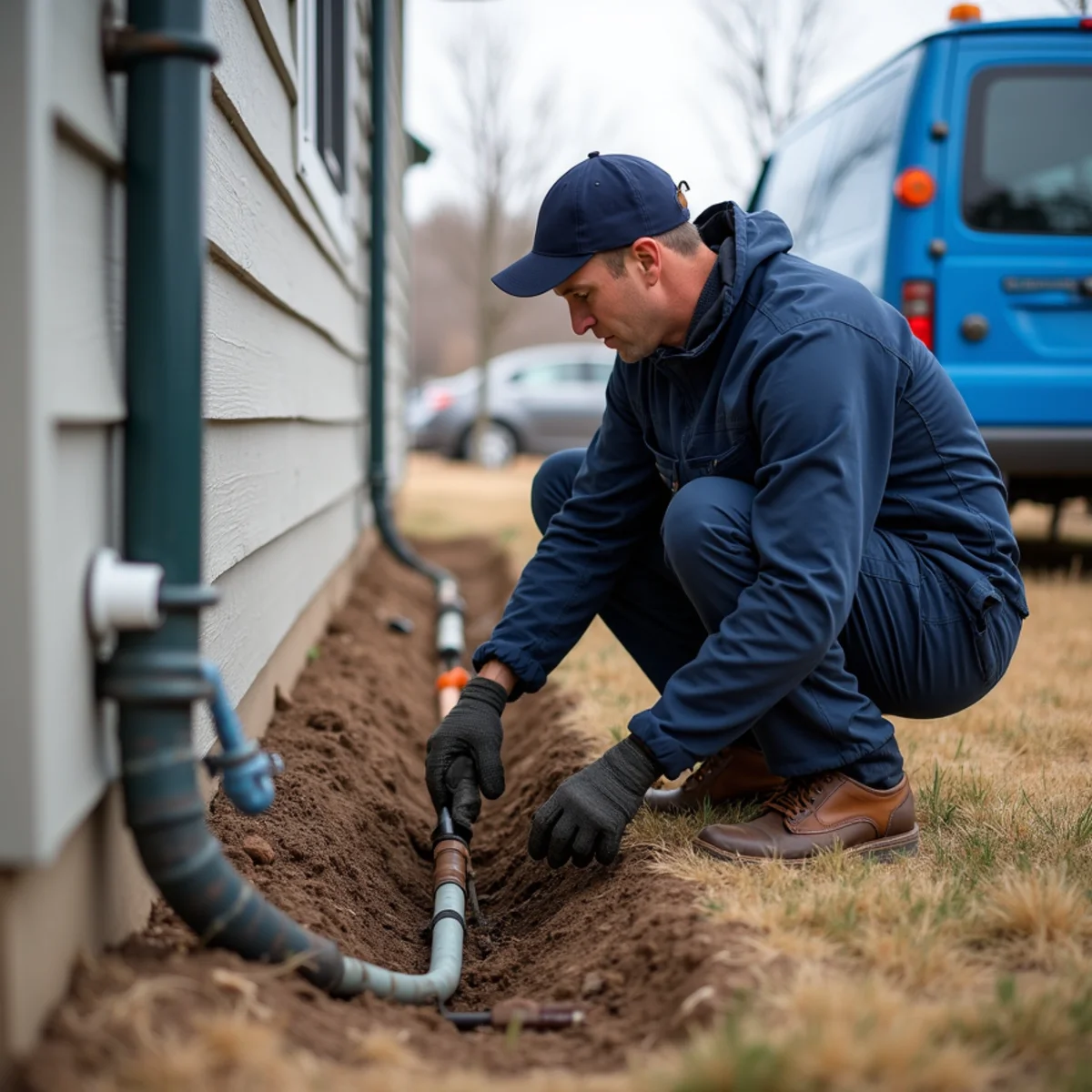
Twin Lakes is one of the closer communities to our shop, a compact area of small, older homes built near the open water and parkland. Many were plumbed decades ago with service lines run shallow, sometimes too shallow for the Front Range's cold snaps. When a hard freeze arrives, those shallow supply lines and any pipe crossing an unheated crawl space or exterior wall can freeze and split. Being near the lakes and low ground can also mean damp crawl spaces that put drain and supply pipe at extra risk. We thaw frozen lines safely, repair the burst sections that follow, and then address the cause by insulating exposed runs, adding heat protection, or rerouting the shallowest lines below the frost line so the same freeze does not recur.
Local Knowledge That Speeds Up the Fix
We serve Twin Lakes right off our doorstep, near the lakes and parkland and the neighborhoods along the Highline Canal. During a January cold stretch, a homeowner lost water and found a wet crawl space where a shallow supply line ran along an uninsulated wall. We thawed the line, replaced the split section, and insulated the run to protect it. Because we are only about twelve minutes away, we were there quickly and had water restored the same morning. We also flagged a second shallow run to reroute before next winter, so they would not be back in the same spot.
Areas & landmarks we serve near Twin Lakes: Twin Lakes · Highline Canal · Twin Lakes Park · Dartmouth Avenue · Eastman Avenue
A Closer Look at Plumbing in Twin Lakes
Twin Lakes is a small unincorporated slice of Arapahoe County wedged between Sheridan and our own Englewood along the 80110 ZIP, and its homes are a mix of modest postwar bungalows and even older cottages built near the open water before the metro grew around them. That age means original clay and cast-iron drains sit under many of these houses, and the compact lots put those lines close to mature cottonwoods that thrive on the nearby lakes and canal. Root intrusion and aging drain pipe are steady work here, right alongside the shallow-line freezes the community is known for.
Being low and close to the lakes and the Highline Canal keeps the water table high, so damp crawl spaces are common and they quietly accelerate corrosion on cast-iron drains and steel supply lines. A frequent Twin Lakes scenario is a homeowner who traces a musty smell to a crawl space where a decades-old drain has rusted through in the constant moisture. Because we are only about twelve minutes away, we can dry it out, replace the failed section, and address the humidity source before it eats the next length of pipe.
Plumbing Services We Provide in Twin Lakes
Plumbing Tips for Twin Lakes Homeowners
A little local know-how goes a long way in Twin Lakes. Here is what we tell our neighbors here to watch for:
- The high water table keeps crawl spaces damp, so check them for rusting drain and supply pipe.
- Cottonwoods near the lakes and canal seek sewer joints, so watch for slow drains.
- Insulate or reroute shallow service lines before winter to stop repeat freezes.
- Add a vapor barrier and ventilation to a damp crawl space to slow pipe corrosion.
Why Twin Lakes Residents Call Englewood Plumbing Pros
When something goes wrong with the plumbing in Twin Lakes, you want a licensed plumber who is close, answers the phone, and tells you the truth about what it will cost. That is what we have delivered for 15+ years across Arapahoe County — and why Twin Lakes homeowners keep our number saved.
Fast to Twin Lakes
We are about 12 minutes from our Englewood base and answer emergency calls 24/7.
4.9-star rated
168+ reviews from homeowners across Englewood and the surrounding metro.
Licensed & insured
Colorado-credentialed, bonded, and insured — we pull the permits your job needs.
Upfront pricing
A written scope you approve before non-emergency work begins. No surprises.
Twin Lakes Plumbing FAQs
Many older Twin Lakes homes have shallow service lines and pipe crossing unheated crawl spaces, which freeze and split during a hard cold snap. We thaw the line, repair the burst, and insulate or reroute the run to prevent a repeat.