
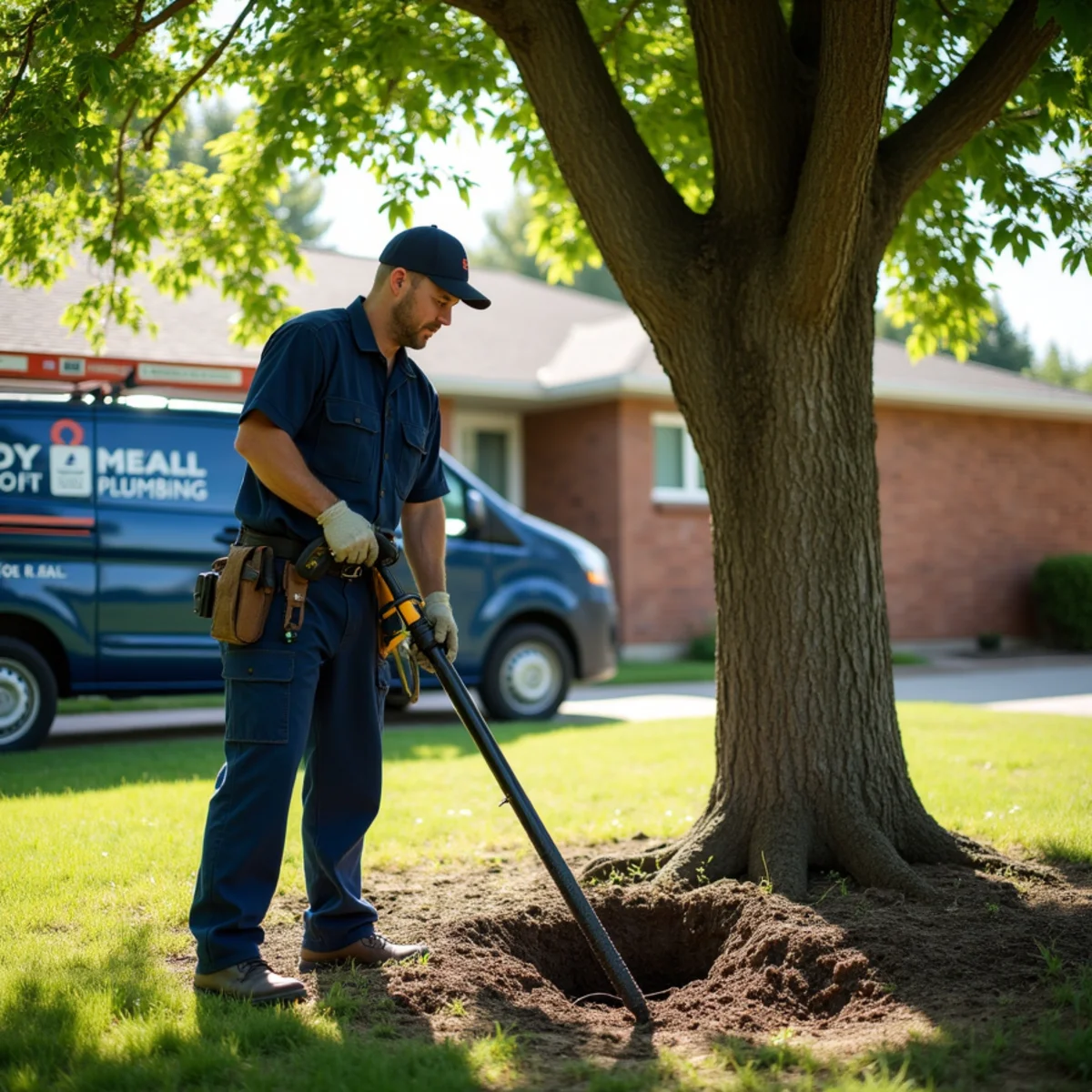
Plumbing in Wheat Ridge: What We See Most
Wheat Ridge is full of solid mid-century brick ranches, and a lot of them still drain through the original cast-iron waste pipe. Cast iron rusts and flakes internally over fifty or sixty years, narrowing the pipe and giving roots a rough surface to grab. The city's mature cottonwoods, elms and maples send fine roots toward every joint and crack in the buried clay or cast-iron lateral, and once they are inside they keep coming back. Homeowners near the Wheat Ridge Greenbelt often deal with recurring slow drains and gurgling toilets. We run a camera to see the root mass and pipe condition, then either cut the roots and treat the line or recommend a lasting sewer repair.
Local Knowledge That Speeds Up the Fix
From the shops along 38th Avenue to the homes bordering Crown Hill Park and the Clear Creek corridor, we know Wheat Ridge well. A couple near Prospect Park kept snaking their main line every spring only to have it clog again by fall. Our camera showed a thick root ball feeding through a cracked clay joint about twenty-five feet out, right under a big elm. We cleared it, showed them exactly where the roots entered, and lined that section so the tree could not get back in. No more annual ritual with the drain snake, and they kept their shade tree.
Areas & landmarks we serve near Wheat Ridge: Wheat Ridge Greenbelt · 38th Avenue · Crown Hill Park · Prospect Park · Clear Creek Trail
A Closer Look at Plumbing in Wheat Ridge
Wheat Ridge earned the nickname Carnation City for the greenhouses that once lined it, and that agricultural past left large, deeply irrigated lots that keep those mature trees and their roots thriving. Neighborhoods around 44th Avenue and Kipling, and the Fruitdale area toward the 80033 ZIP, are dense with the brick ranches that define the city. Because the lots were watered heavily for decades, root systems here are unusually aggressive, reaching sewer joints that would stay dry in a tighter subdivision. That history is exactly why root intrusion is our most common Wheat Ridge call.
The Clear Creek corridor along the north edge brings a seasonal wrinkle: spring snowmelt raises the water table for homes near the Greenbelt and the ponds, and a lateral already weakened by roots will take on groundwater and run slow just as the melt peaks. A typical fix pairs root cutting with joint sealing so the line stops drinking both roots and snowmelt. We also see aging galvanized in the pre-war homes near the original 38th Avenue business district, where pressure has quietly dropped over the decades.
Plumbing Services We Provide in Wheat Ridge
Plumbing Tips for Wheat Ridge Homeowners
A little local know-how goes a long way in Wheat Ridge. Here is what we tell our neighbors here to watch for:
- Have your sewer camera-inspected every couple of years if mature trees shade your Wheat Ridge lot.
- Cut back watering near the sewer line so thirsty roots have less reason to seek the pipe.
- Older brick ranches near 38th Avenue often hide galvanized supply, so test pressure before remodeling.
- Keep grease out of cast-iron drains, their rough interior grabs buildup faster than modern pipe.
Why Wheat Ridge Residents Call Englewood Plumbing Pros
When something goes wrong with the plumbing in Wheat Ridge, you want a licensed plumber who is close, answers the phone, and tells you the truth about what it will cost. That is what we have delivered for 15+ years across Arapahoe County — and why Wheat Ridge homeowners keep our number saved.
Fast to Wheat Ridge
We are about 20 minutes from our Englewood base and answer emergency calls 24/7.
4.9-star rated
168+ reviews from homeowners across Englewood and the surrounding metro.
Licensed & insured
Colorado-credentialed, bonded, and insured — we pull the permits your job needs.
Upfront pricing
A written scope you approve before non-emergency work begins. No surprises.
Wheat Ridge Plumbing FAQs
Wheat Ridge's mature trees send roots toward any crack or loose joint in an older clay or cast-iron lateral, and once inside they regrow after each snaking. A camera shows the entry point so we can line or repair that section and keep the roots out for good.